
Why the Closing Line Matters
The moment you place a wager, you’re caught in a market whirlpool. Odds shift, lines move, and the “closing line” becomes the final snapshot before the whistle blows. Miss that, and you’re basically betting blind. Look: the closing line is the ultimate price the sportsbook settles on, after all the hype, injury reports, and public money have churned through. It’s the barometer for whether you got a good deal or overpaid for hype.
What Closing Line Value (CLV) Actually Is
CLV is the difference between the odds you locked in and the final line. Positive CLV—meaning you bought at better odds than the closing price—translates to an edge over the house. Negative CLV? You’re paying the premium, and the odds will gnaw at your bankroll. Imagine buying a stock at $50 and the market closes at $55; that $5 spread is your profit margin. Same principle, but with point spreads and moneylines instead of shares.
Crunching the Numbers
Take a Patriots‑chiefs game. You snag a -7.5 spread on the Pats at -110. By kickoff, the line slides to -9.0 at -115. Your CLV is +1.5 points (you got a better spread) but you also paid a steeper juice. If the Pats win by eight, you’re good. If they win by six, the CLV evaporates. The math is simple: CLV = (Your odds) – (Closing odds). Positive equals potential profit; negative equals risk.
Why the Savvy Betters Chase CLV
Because it’s a statistical predictor. Over dozens of bets, a consistent positive CLV almost always outperforms a flat win‑rate approach. It’s like a GPS for betting: you’re not just guessing the destination, you’re optimizing the route. The market’s collective wisdom—public money, sharp action, injury flurries—settles on the closing line. Beat it, and you’re riding the wave of “smart money.”
How to Spot CLV Opportunities
First, monitor line movement in real time. Odds can swing minutes before kickoff. Second, identify “sharp” betting times—usually the early morning or late night when bookmakers get the most professional input. Third, trust your own research over the crowd. If you think a team’s defense is underrated, bet early, lock in the line, and watch it drift opposite to your conviction. That’s CLV gold.
Actionable Takeaway
Start a CLV log. Every NFL wager, note the opening line you took, the closing line at kickoff, and the result. After 30 bets, calculate your net CLV. If you’re consistently positive, double down on those strategies; if not, re‑evaluate your timing and sources. That simple habit separates the hobbyists from the professionals. Now go set that first CLV entry on bettingonlinenfl.com.
About the author :

Related posts
Popular products
-
 Solid Woid Watch Winder Box S0020 Series
$192.99
Solid Woid Watch Winder Box S0020 Series
$192.99
-
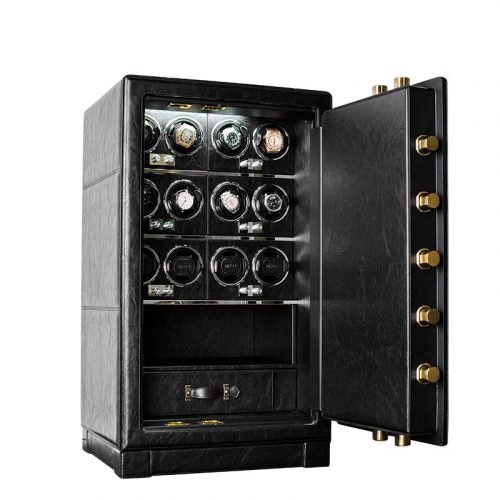 Dual Alarm Watch Winder Safe Box HP12 Series
Price range: $3,409.99 through $3,411.99
Dual Alarm Watch Winder Safe Box HP12 Series
Price range: $3,409.99 through $3,411.99
-
 Intelligent Winder Watch Z8200 Series
Price range: $304.99 through $1,210.99
Intelligent Winder Watch Z8200 Series
Price range: $304.99 through $1,210.99
-
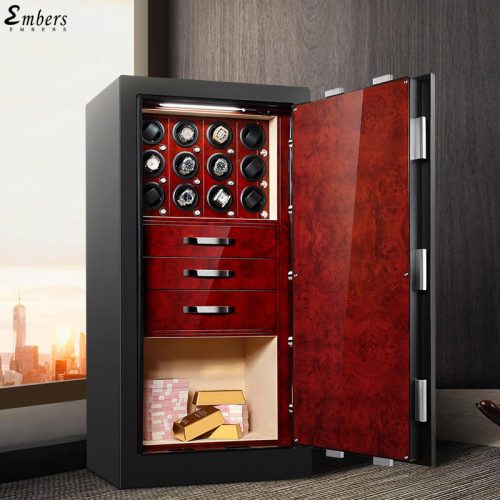 Watch Winder Safe Box B1120 Series
Price range: $6,815.99 through $6,817.99
Watch Winder Safe Box B1120 Series
Price range: $6,815.99 through $6,817.99
