
Online Casino Reload Bonus UK 2026: The Math Behind the Marketing
The UK online casino market in 2026 is a battlefield for player attention, and the primary weapon of choice is the reload bonus. Unlike the flashy welcome offer designed to lure you through the door, the reload bonus is the operator’s attempt to keep you from wandering off to the pub down the street. It is a retention tool, a calculated incentive to make you deposit again. And if you think it’s a gift, you’ve fundamentally misunderstood the transaction. Casinos are not charities; they are businesses with profit margins, and every “bonus” is a line item in their marketing budget designed to generate a return.
For the UK player, navigating these offers requires a shift in perspective. Stop looking at the headline figure—a 50% match, a 100% match—and start looking at the effective value. That value is determined by a brutal equation: the bonus percentage, the maximum bonus amount, the wagering requirements, the time limit, and the game weighting. A 100% match up to £100 with 40x wagering is often a worse deal than a 25% match up to £50 with 15x wagering. The former sounds generous; the latter is mathematically more likely to return some cash to your pocket. This guide dissects the mechanics of the online casino reload bonus in the UK for 2026, moving beyond the marketing fluff to the cold, hard numbers that actually matter.
What a Reload Bonus Actually Is (And Isn’t)
A reload bonus is a promotion offered to existing players who have already made at least one deposit. The name itself is a clue: it’s a bonus for “reloading” your account. It is distinct from a welcome bonus, which is a one-time offer for new sign-ups. In the UK market, reload bonuses are a staple of player retention strategies, often delivered via email, SMS, or through the promotions tab of a casino app. They are not a guaranteed right; they are an invitation, and the terms can change at the operator’s discretion.
The core structure is typically a deposit match. You deposit a certain amount, and the casino matches it by a percentage, up to a maximum bonus amount. For example, a 50% reload bonus up to £50 means if you deposit £100, you get a £50 bonus, giving you £150 to play with. But the headline number is a distraction. The real question is what you must do with that bonus before you can withdraw a penny of the winnings. This is where the wagering requirement enters the picture, and it is the single most important metric for evaluating any bonus offer.
Wagering requirements are expressed as a multiplier (e.g., 30x, 40x) applied to the bonus amount, or sometimes to the deposit plus bonus amount. A 35x wagering requirement on a £50 bonus means you must place £1,750 worth of bets before the bonus funds convert to withdrawable cash. The house edge ensures that over that volume of play, the casino expects to retain a percentage of that £1,750. Your goal is to beat that expectation, which is possible but requires understanding game weighting and volatility.
Game weighting is the casino’s way of steering your play. Slots typically contribute 100% towards wagering requirements. Table games like blackjack or roulette might contribute only 10% or 20%, and some live casino games contribute nothing at all. This means to clear a wagering requirement playing blackjack, you’d need to wager five to ten times more than if you played slots. The casino is nudging you towards the games with the highest house edge. It’s not a conspiracy; it’s just business.
The UK Regulatory Framework for Bonuses
The UK Gambling Commission (UKGC) regulates all online gambling in Great Britain. Its primary objective is to ensure gambling is fair, open, and free from crime. For players, this means a layer of protection, but it doesn’t mean bonuses are risk-free. The UKGC mandates that bonus terms must be clear, fair, and not misleading. Operators cannot bury critical conditions in fine print. However, “fair” is a relative term, and the regulator does not dictate specific wagering limits or bonus sizes.
A key regulation is the prohibition on “reverse withdrawals.” Previously, a player could request a withdrawal, then cancel it and play with the funds again. This is now banned. Once you request a withdrawal, the money is locked. This change was designed to protect players from impulsive decisions during a cooling-off period. It also means you need to be certain before you hit that withdrawal button, especially if you have an active bonus with wagering requirements still to clear.
Licensing is non-negotiable. Any online casino operating in the UK must hold a licence from the UKGC. This licence is not a badge of honour; it’s a legal requirement. You can verify an operator’s licence on the UKGC’s public register. Playing at an unlicensed casino offers no consumer protection, no recourse if things go wrong, and potentially illegal. The “safe online casinos” you hear about are simply those that comply with this basic legal framework.
The UKGC also enforces strict rules on advertising and bonus offers. Promotions must not be misleading, and operators must not target vulnerable individuals. This includes restrictions on using certain themes or language that might appeal to under-18s. While this doesn’t directly change the maths of a reload bonus, it does create an environment where operators must be more transparent about what they’re offering.
How to Evaluate a Reload Bonus: A Practical Framework
Forget the percentage match. Start with the wagering requirement. A 30x bonus-only wagering requirement is the current sweet spot in the UK market for a reasonable deal. Anything above 40x, especially if applied to the deposit plus bonus, should raise serious questions. Calculate the total wagering: multiply the bonus amount by the wagering multiplier. Then, consider the game weighting. If you prefer table games, a bonus with low weighting for those games is essentially useless to you.
Time limits are the next critical factor. Most reload bonuses in the UK come with an expiry date, typically 7, 14, or 30 days. If you have 14 days to clear a 35x wagering requirement on a £100 bonus (total wagering: £3,500), you need to wager approximately £250 per day. That’s a significant volume of play. If your budget or playing style doesn’t support that, the bonus is a trap. You’ll lose the bonus and any associated winnings if you fail to meet the requirement in time.
Maximum bet limits are another hidden constraint. While playing with bonus funds, you are usually restricted to a maximum bet per spin or hand, often £5 or £10. Exceeding this limit, even accidentally, can void your bonus and all winnings. This rule is in place to prevent players from making large, high-risk bets to clear wagering requirements quickly. It forces you to play at a steady pace, which, from the casino’s perspective, increases the likelihood of the house edge grinding down your balance over time.
Withdrawal caps are the final piece of the puzzle. Some bonuses, particularly “free spin” offers tied to a reload, come with a maximum amount you can win and withdraw from the bonus. If you win £500 from free spins but the cap is £100, you only get £100. This turns a seemingly lucrative offer into a modest one. Always check for a win cap before getting excited about a large number of free spins.
Reload Bonus Types and Their True Value
The standard deposit match is the most common reload bonus. Its value is straightforward: bonus cash with wagering requirements. A 50% match up to £50 with 30x wagering on the bonus alone is a solid, middle-of-the-road offer. The effective value depends on your luck and game choice, but the maths are clear. You’re getting extra playtime for your money, with a chance to convert some of it to real cash if you beat the wagering requirements.
Free spins reloads are another popular variant. You deposit a minimum amount (often £10 or £20) and receive a set number of free spins on a specific slot. The value per spin is fixed (e.g., 10p per spin). Any winnings from these spins are credited as bonus cash, subject to wagering requirements. The true value here is low unless the wagering requirements are minimal (under 20x) and there’s no win cap. A “free spin” is about as “free” as a sample sausage at the supermarket—you’re paying for it with your time and commitment.
Cashback reloads are less common but more player-friendly. You play over a period (e.g., a week), and the casino returns a percentage of your net losses as bonus cash or sometimes as real cash with no wagering. A 10% weekly cashback up to £50 with no wagering is an excellent offer. It reduces the house edge and gives you a second chance. However, the percentages are usually low, and the maximum cashback amount is modest. It’s a safety net, not a profit generator.
Combo offers bundle a deposit match with free spins. For example, “100% up to £100 + 50 free spins on Starburst.” The deposit match has its own wagering requirements, and the free spins winnings have separate ones. This complicates the evaluation. You’re essentially managing two bonus balances with different rules. The combined value might look attractive, but the complexity often works in the casino’s favour, as players may overlook one set of terms while focusing on the other.
Top UK Casinos for Reload Bonuses: A 2026 Snapshot
The following table provides a snapshot of reload bonus offerings from established operators in the UK market for 2026. The data reflects typical promotional structures and is subject to change. The focus is on the terms that affect value: wagering requirements, time limits, and game weighting. This is not an exhaustive list, but a comparison of common offer types from well-known brands.
| Operator | Typical Reload Offer | Wagering Requirement | Time Limit | Game Weighting (Slots) |
|---|---|---|---|---|
| Betfair | 50% match up to £100 | 30x bonus | 14 days | 100% |
| Paddy Power | Reload spins on deposit | 35x winnings | 7 days | 100% (specific slots) |
| 888 Casino | Daily reload deals | 30x bonus | 30 days | 100% |
| Bet365 | Personalised offers | Varies | Varies | 100% |
| LottoGo | Weekly bonus wheel | 40x bonus | 7 days | 100% |
These figures represent the typical range. Betfair and 888 Casino often present wagering requirements in the 30x region, which is competitive. Paddy Power’s reload spins are common for their brand, focusing on slot play. Bet365’s approach is highly personalised, meaning the offer you see depends entirely on your playing history and value as a customer. LottoGo, like many newer brands, uses gamified mechanics like a bonus wheel, which adds an element of chance to the bonus itself.
The key takeaway is that no single operator is “best” for all players. Your preference for game types, your typical deposit size, and your tolerance for wagering requirements should dictate your choice. A high-roller might prefer a large match with higher wagering, while a casual player might value low-wagering cashback more.
Payment Methods and Withdrawal Speed in the UK
The speed of your withdrawal is a critical part of the casino experience. In the UK, the most common payment methods are debit cards (Visa, Mastercard), e-wallets (PayPal, Skrill, Neteller), and bank transfers. Each has different processing times. E-wallets are generally the fastest, with withdrawals often processed within 24 hours after the casino’s internal review. Debit cards take 1-3 business days, and bank transfers can take 3-5 business days.
The casino’s internal processing time is the first hurdle. Licensed UK casinos have a “pending period” where they review your withdrawal request. This can be instant or up to 48 hours. During this time, you can often reverse the withdrawal and play with the funds again. However, as mentioned, the UKGC’s ban on reverse withdrawals after a certain point means this window is shrinking. Some operators now process withdrawals automatically after the pending period without offering a reversal option.
Minimum and maximum withdrawal limits apply. The minimum is often £10 or £20. The maximum can vary wildly, from £5,000 per transaction for standard players to £50,000 or more for VIPs. These limits are not just about the casino’s cash flow; they are also a responsible gambling tool, preventing large sums from being withdrawn impulsively. But for the average player, they are rarely a constraint.
KYC (Know Your Customer) verification is mandatory before your first withdrawal. You must provide proof of identity (passport, driving licence) and proof of address (utility bill, bank statement). This process is a legal requirement under anti-money laundering regulations. It can delay your first withdrawal by a few days. Subsequent withdrawals are usually faster. The lesson: complete your verification early, ideally right after you sign up, to avoid delays when you want to cash out.
New Online Casinos in 2026: What to Look For
The UK market sees a constant influx of new online casinos. They often launch with aggressive bonus offers to build a player base. A new casino might offer a 200% reload bonus with low wagering requirements as a loss leader. The risk is that a new operator is unproven. They may have a UKGC licence, but their operational track record is short. Customer support might be sluggish, and their payment processing might not be as refined as an established brand.
When evaluating a new casino, check the ownership group. Many new brands are launched by established parent companies with a portfolio of successful casinos. This provides a layer of reliability. Look for casinos that use reputable software providers (e.g., Playtech, Microgaming, NetEnt). The quality and fairness of the games are tied to these providers. A new casino using obscure or proprietary software is a red flag.
Read independent reviews, but take them with a grain of salt. Many review sites are affiliate-driven and may promote new casinos for commission. Look for player feedback on forums and social media. Complaints about delayed withdrawals or unresponsive customer service are serious warning signs. A new casino’s bonus offer might be tempting, but if they make it difficult to withdraw your winnings, the bonus is worthless.
The mobile experience is crucial. Most new casinos are built mobile-first. Test the casino’s app or mobile site before depositing. Is it intuitive? Do the games load quickly? Is the navigation clear? A poor mobile experience will frustrate you, regardless of how good the bonus is. The best casino app is one that is stable, fast, and doesn’t drain your battery.
Live Casino and Reload Bonuses: A Different Game
Live casino games—live blackjack, roulette, baccarat, game shows—are streamed in real-time from a studio. They offer an immersive experience that RNG (Random Number Generator) games cannot match. However, reload bonuses are often less valuable for live casino players. As mentioned, game weighting is the issue. A bonus with 100% weighting for slots might only contribute 10% for live blackjack. This means you need to wager ten times more to clear the same bonus.
Some operators offer specific live casino reload bonuses. These might be cashback on losses incurred at live tables, or a small deposit match with lower wagering requirements tailored for live games. These are rarer but more valuable for the live casino enthusiast. They acknowledge that the play style and risk profile of a live casino player is different from a slot player.
The social aspect of live casino is a factor. You’re interacting with a dealer and other players. This can lead to more impulsive betting, especially during a losing streak. A reload bonus that encourages more play can be a double-edged sword. It gives you more funds to continue, but it also prolongs exposure to the house edge. Discipline is key. Set a budget for your live casino session and stick to it, bonus or no bonus.
Live casino no deposit bonuses are virtually non-existent in the UK market due to their high cost to the operator. The overhead for running a live studio is significant, and giving away free play on these games is not financially viable. If you see a “live casino no deposit” offer, scrutinise the terms meticulously. It’s likely a very small amount (e.g., £5) with extremely high wagering requirements and a low win cap.
Mobile Casino: Playing Reload Bonuses on the Go
The UK is a mobile-first market. Over 70% of online casino play now occurs on smartphones and tablets. Operators have responded by optimising their sites and developing dedicated apps. A good mobile casino app should offer the same functionality as the desktop site: account management, deposits, withdrawals, bonus claims, and the full game library. Performance is non-negotiable. Laggy games or a clunky interface will ruin the experience.
Data usage is a practical concern for live dealer games on mobile. Streaming HD video consumes a significant amount of data. If you’re not on Wi-Fi, a single session of live roulette could eat through several gigabytes. This is a cost many players overlook. Check your data plan before committing to a long live casino session on your mobile network. The “convenience” of playing anywhere comes with a tangible price tag if you’re not connected to Wi-Fi.
Battery drain is another issue. Casino apps, especially those with high-quality graphics and live streaming, are power-intensive. A fully charged phone might not last through a lengthy session. Keeping a charger handy is not just advice; it’s a necessity for serious mobile play. The irony of a “mobile” casino is that it often tethers you to a power outlet.
Understanding Wagering Requirements: A Deeper Dive
Wagering requirements are the casino’s primary defence against bonus abuse. They ensure that a player cannot simply deposit, claim a bonus, and immediately withdraw the funds. The requirement forces a certain volume of play, during which the house edge is expected to erode the bonus funds. The key is to understand the exact calculation. Is the wagering applied to the bonus amount only, or to the deposit plus bonus? The difference is massive.
Consider a 100% match bonus up to £100 with 35x wagering. If the wagering is on the bonus only, you must wager £3,500 (£100 bonus x 35). If it’s on the deposit plus bonus, you must wager £7,000 (£200 total x 35). The latter doubles your required play for the same headline offer. This distinction is often buried in the terms and conditions. Reading them is not optional; it’s the most important step in evaluating any bonus.
Game contribution percentages further complicate the maths. A 100% contribution from slots means every £1 you bet on slots counts as £1 towards clearing the wagering. A 10% contribution from blackjack means you must bet £10 on blackjack to clear £1 of wagering. This effectively multiplies the wagering requirement for table game players. An operator might advertise a bonus as “valid on all games,” but the effective wagering requirement for a blackjack player could be ten times higher than for a slot player.
Maximum bet limits while a bonus is active are another critical constraint. Exceeding the limit, even once, can void your bonus and all associated winnings. This rule is designed to prevent “high-risk” strategies where a player makes large bets to clear wagering quickly. The limit is typically £5 per spin or hand. If you’re a player who likes to bet £10 or £20 per round, this bonus is not for you. The restriction forces a change in your normal play pattern, which can be frustrating and may lead to mistakes.
Responsible Gambling and Bonus Play
The UKGC mandates that all licensed operators provide tools for responsible gambling. These include deposit limits, loss limits, session time limits, and self-exclusion options. Using these tools is not a sign of weakness; it’s a sign of a disciplined player. Setting a deposit limit ensures you only play with money you can afford to lose. A loss limit prevents you from chasing losses in a single session. A session time limit is a reminder that time spent gambling is time not spent on other activities.
Bonuses can distort responsible gambling behaviour. The “extra” funds from a bonus can create a false sense of security, leading to larger bets or longer sessions than planned. The psychological effect of playing with “house money” is well-documented. It can make you more risk-tolerant, which is exactly what the casino wants. Recognising this bias is the first step to countering it. Treat bonus funds as your own money, because the wagering requirements make them functionally equivalent.
Self-exclusion schemes like GAMSTOP allow players to exclude themselves from all UK-licensed online casinos for a set period (6 months, 1 year, 5 years). This is a powerful tool for those who feel they are losing control. If you find yourself consistently chasing bonuses, playing longer than intended, or depositing more than you can afford, self-exclusion is a viable option. The casino’s marketing will always encourage more play; responsible gambling tools are your counterbalance.
Operators are also required to monitor player behaviour for signs of problem gambling. Unusual patterns, such as large deposits after a period of inactivity, or chasing losses with increasingly large bets, can trigger a review. This is not about catching you out; it’s about identifying potential harm. The outcome might be a conversation with the responsible gambling team, a suggestion to set limits, or in extreme cases, a temporary account suspension. It’s a safeguard, not a punishment.
The Psychology of the “Free” Bonus
The word “free” is the most powerful word in marketing. In the context of online casinos, it’s almost always misleading. A “free spin” is not free; it’s conditional on a deposit and subject to wagering requirements. A “no deposit bonus” is not free cash; it’s a marketing tool with strict limits and high wagering. The casino is not giving you money; they are offering you a chance to play with their money under their rules, with the expectation that the house edge will eventually reclaim most or all of it.
Trusted Casinos Not on Gamstop UK 2026: The Only Guide You Actually Need
The “sunk cost fallacy” is a powerful psychological driver in bonus play. If you’ve deposited £100 and received a £50 bonus, you have £150 in your account. If you lose £100, you might feel compelled to continue playing to “win back” your initial deposit, using the remaining bonus funds. This is a trap. The initial deposit is gone. The bonus funds are subject to their own terms. Chasing the sunk cost often leads to further losses. The rational decision is to evaluate the current situation, not the past investment.
The “near-miss” effect is amplified by bonus play. Slot machines are designed to show near-misses, where two symbols match but the third just misses the payline. This creates the illusion of being close to a win, encouraging further play. With a bonus, the effect is stronger because you’re playing with “extra” funds, making each spin feel less costly. In reality, each spin has the same odds, regardless of whether you’re using bonus funds or your own cash. The near-miss is a designed feature, not a sign of impending success.
The social proof of other players winning can also influence your behaviour. Casino lobbies often display recent big wins, and live chat rooms buzz with excitement when someone hits a jackpot. This creates a distorted perception of probability. You see the winners, not the thousands of losers. A reload bonus that encourages you to play more increases your exposure to this environment. It’s a carefully constructed atmosphere designed to keep you engaged and spending.
What is the best reload bonus for a slots player in the UK?
The best reload bonus for a slots player is one with a high percentage match, a reasonable maximum amount, low wagering requirements (30x bonus or less), a long time limit (30 days), and 100% game weighting for slots. A 50% match up to £100 with 25x wagering and a 30-day expiry is a strong offer. Always check the maximum bet limit and ensure your preferred slots are not excluded from bonus play.
Can I claim a reload bonus on a mobile casino app?
Yes, most UK online casinos allow you to claim reload bonuses through their mobile apps or mobile-optimised websites. The process is typically identical to desktop: opt-in to the promotion, make a qualifying deposit, and the bonus is credited to your account. Check the app’s promotions section for available offers. Some operators may have app-exclusive reload bonuses as an incentive to download their software.
How do wagering requirements affect live casino play with a bonus?
Wagering requirements severely impact the value of a bonus for live casino play. Live games like blackjack and roulette often contribute only 10-20% towards clearing wagering requirements. This means you must wager five to ten times more than a slots player to clear the same bonus. For example, a 35x wagering requirement on a £100 bonus becomes effectively 175x-350x for a live blackjack player. This makes most standard reload bonuses poor value for live casino enthusiasts.
Are there any reload bonuses with no wagering requirements?
Reload bonuses with absolutely no wagering requirements are extremely rare in the UK market. They do occasionally appear as cashback offers, where a percentage of net losses is returned as real cash. These are typically capped at a low amount (e.g., 10% up to £20 per week). Any offer claiming to be a “no wagering” deposit match should be scrutinised heavily; there is likely a catch, such as a very low maximum bonus or a restrictive win cap.
What happens if I exceed the maximum bet limit while using a bonus?
If you exceed the maximum bet limit (usually £5 per spin or hand) while playing with bonus funds, the casino will typically void your bonus and all associated winnings. This is a standard term in the UK market and is enforced automatically by the gaming software. It is considered a breach of the bonus terms. There is no recourse; the decision is final. This is why it’s crucial to know the limit and adjust your bet size immediately after claiming a bonus.
Strategies for Maximising Bonus Value
The only guaranteed way to maximise bonus value is to choose offers with the lowest possible wagering requirements relative to the bonus size. A £20 bonus with 10x wagering (total wagering: £200) is objectively better than a £100 bonus with 40x wagering (total wagering: £4,000), even though the headline figure is five times smaller. The probability of clearing the lower requirement is significantly higher. This is the core principle: ignore the headline, focus on the maths.
Game selection is your primary lever for clearing wagering. Slots with a high Return to Player (RTP) percentage give you the best chance of sustaining your balance through the required volume of play. Look for slots with an RTP of 96% or higher. This doesn’t mean you’ll win; it means the house edge is lower, so over thousands of spins, you’ll lose less on average. Games like Blood Suckers (98% RTP) or Mega Joker (99% RTP) are often cited, but check if they are excluded from bonus play, as high-RTP games sometimes are.
Bet sizing is critical. With a bonus active, you should be betting the minimum allowed per spin. This stretches your balance and gives you more spins to meet the wagering requirement. If the minimum bet is £0.20 and you have a £100 bonus with 30x wagering (£3,000 total), you need 15,000 spins to clear it at minimum bet. That’s a lot of spins, but it’s the mathematically sound approach. Betting larger amounts increases volatility and the risk of busting before clearing the requirement.
Time management is often overlooked. A bonus with a 7-day expiry requires much more intensive play than one with a 30-day expiry. Don’t claim a bonus if you don’t have the time to commit to the required play within the limit. Forcing yourself to play more than you intended just to clear a bonus is a path to poor decisions and potential losses beyond your original budget. Sometimes, the best strategy is to decline the bonus entirely.
Comparing Reload Bonuses to Welcome Offers
Welcome bonuses are designed to attract new players and are typically the most generous offers an operator provides. A standard UK welcome offer might be a 100% match up to £200 with 35x wagering. Reload bonuses, aimed at retention, are usually less generous: 25-50% matches with similar or higher wagering requirements. The maths is clear: the best value is often in the welcome bonus. Once you’ve exhausted that, the ongoing value from reloads is lower.
This creates a strategic consideration for the player. Is it better to stay loyal to one casino and accept their (often mediocre) reload offers, or to “bonus hunt” by signing up at multiple casinos to claim their welcome bonuses? Bonus hunting is a legitimate strategy, but it requires discipline, organisation, and the ability to manage multiple accounts. It also means you miss out on any loyalty benefits from staying at one operator. There’s no right answer; it depends on your playing style and goals.
No Account Casino UK 2026: The Expert Guide to Fast, Verified Gaming
The quality of reload bonuses can be a proxy for how much an operator values your long-term loyalty. Some casinos, particularly those with strong VIP programmes, offer increasingly better reload bonuses as you climb the loyalty tiers. Others treat all existing players the same, with generic weekly offers. The personalised approach from operators like Bet365, where offers are tailored to your play history, can be more valuable than a generic one-size-fits-all bonus, even if the headline figure is lower.
The comparison also highlights the importance of reading the terms for both types of offers. A welcome bonus might look superior, but if it has a high minimum deposit (e.g., £20) and a short expiry (7 days), a more modest reload bonus with a £10 minimum and 30-day expiry might be more practical for your budget and playing habits. The “best” bonus is the one that aligns with your specific circumstances.
The Future of Reload Bonuses in the UK Market
The trend in the UK is towards more personalised and less generous bonuses. As player acquisition costs rise, operators are focusing on retaining existing players rather than spending heavily on new ones. This means reload bonuses are becoming more targeted, based on your playing patterns, deposit history, and game preferences. The generic “50% up to £100” offer is being replaced by “50% up to £50 on the slots you play most often” or “10% cashback on your weekly live casino losses.”
Regulation will continue to tighten. The UKGC is constantly reviewing its policies on bonuses and promotions. Future changes could include stricter limits on wagering requirements, mandatory cooling-off periods between bonus claims, or even restrictions on the types of bonuses that can be offered. Operators are already preparing for this by developing more sustainable bonus models that are less reliant on high wagering requirements.
The integration of gamification is another trend. Reload bonuses are being packaged as part of challenges, missions, or loyalty schemes. You might earn “points” for playing, which can be exchanged for bonus cash or free spins. This makes the bonus feel like a reward for activity rather than a simple marketing offer. It also encourages more play, which is, of course, the operator’s ultimate goal.
Technology will play a bigger role. AI and machine learning are being used to predict player behaviour and offer bonuses at the moment they are most likely to be effective. If the system detects you haven’t played for a few days, you might receive a personalised reload offer via push notification. This level of targeting makes the bonus more relevant to you, but it also means the casino is using sophisticated tools to keep you engaged. It’s a perpetual arms race between player discipline and operator marketing.
How do I know if a reload bonus is worth claiming?
Calculate the total wagering requirement by multiplying the bonus amount by the wagering multiplier. Then, consider the time limit and your typical playing volume. If the required daily wagering to clear the bonus in time is more than you’d normally bet, the bonus is likely not worth it. Also, check game weighting for your preferred games. A bonus with low weighting for your favourite games will be very difficult to clear profitably.
What is the difference between a reload bonus and a cashback offer?
A reload bonus is a deposit match that gives you extra funds to play with, subject to wagering requirements. A cashback offer returns a percentage of your net losses over a period, often as bonus cash with wagering or sometimes as real cash with no wagering. Cashback is generally more player-friendly because it reduces your losses rather than adding more playthrough conditions. A cashback offer with no wagering is the most valuable type of ongoing promotion.
Can I use a reload bonus on any game in the casino?
Technically, yes, but with major caveats. While a bonus may be advertised as “valid on all games,” game weighting means it’s only truly effective on slots. Playing table games or live casino with a standard reload bonus will require a vastly higher volume of bets to clear the wagering, making it impractical. Always check the game weighting table in the bonus terms before playing. Some games may be entirely excluded from bonus play.
Do reload bonuses expire?
Yes, virtually all reload bonuses in the UK have an expiry date. This is typically between 7 and 30 days from the moment the bonus is credited. If you do not meet the wagering requirements within this timeframe, the bonus and any winnings derived from it are forfeited. The expiry date is a critical term. Claiming a bonus when you don’t have the time to play through the requirements is a guaranteed way to lose it.
Is it better to take a reload bonus or play without one?
It depends on your discipline and playing style. If you are a disciplined player who understands the maths and can stick to a plan, a reload bonus with fair terms can provide extra value and playtime. If you tend to chase losses, bet impulsively, or play for longer than intended, it’s often better to decline the bonuswhen the bonus terms are unclear, when you’re tired, or when you’re simply not in the right headspace. The house always has an edge, and a bonus doesn’t change that fundamental truth; it just changes the size of the bet you’re making with their money, not yours. Your bankroll is your own, and sometimes the smartest move is to keep it that way.
The Role of Game Volatility in Clearing Bonuses
Game volatility, or variance, describes the risk profile of a slot. Low-volatility slots pay out smaller wins more frequently. High-volatility slots pay out larger wins less often. When clearing a wagering requirement, volatility is a critical factor. A high-volatility slot can see your balance swing wildly. You might hit a big win early and clear the requirement quickly, or you might burn through your balance without a significant win. Low-volatility slots provide a more predictable, albeit slower, path to clearing the requirement.
The maths of wagering requirements favour low-volatility games. The goal is to survive the required volume of play. A high-volatility slot has a higher probability of depleting your balance before you complete the wagering, even if the RTP is the same. This is because the wins are less frequent, so you’re spending more spins at a loss. For a player with a limited bonus balance, this increased risk of busting is a significant disadvantage.
Consider two slots, both with a 96% RTP. Slot A is low-volatility, paying out small wins every 5-10 spins. Slot B is high-volatility, with long dry spells punctuated by large wins. To clear a 30x wagering requirement on a £100 bonus (£3,000 total wagered), Slot A will likely get you there with a balance that fluctuates but generally declines slowly. Slot B might see you hit a £500 win on spin 200 and clear the requirement instantly, or it might see you lose the entire £100 bonus without a single significant win. The risk profile is entirely different.
The practical advice is to choose low-to-medium volatility slots when playing with bonus funds. Games like Starburst, Aloha! Cluster Pays, or Blood Suckers (which also has a high RTP) are popular choices for this reason. They provide a steadier stream of small wins that help maintain your balance through the wagering process. High-volatility slots are for playing with your own money, where you can absorb the swings without the pressure of a ticking clock and a wagering requirement.
Reload Bonuses and Loyalty Programmes: The Connection
Many UK casinos link their reload bonuses to a broader loyalty or VIP programme. You earn points for every pound wagered, and these points can be exchanged for bonus cash, free spins, or other perks. As you accumulate points and climb the loyalty tiers, the quality of the reload offers you receive improves. A bronze-tier player might get a 25% reload, while a platinum-tier player gets a 50% reload with better terms. This is a deliberate strategy to reward high-value players and encourage continued play.
The structure of these programmes varies. Some are point-based, with a clear conversion rate (e.g., 100 points = £1 bonus). Others are tier-based, with specific benefits unlocked at each level. The key is to understand the value of the points you’re earning. If you need to wager £10 to earn 1 point, and 100 points are worth £1, your effective cashback rate is 0.1%. That’s a very low return. Compare this to a direct 10% cashback offer, which is ten times more valuable.
The “VIP treatment” is often marketed as exclusive and luxurious. In reality, it’s a calculated investment by the casino. The perks—faster withdrawals, higher limits, a personal account manager—are designed to keep you depositing and playing. The “personal account manager” is, in many cases, a retention specialist tasked with ensuring you don’t leave for a competitor. It’s a business relationship, not a friendship, and the casino is always the one with the better hand.
The best approach is to evaluate the loyalty programme on its mathematical merits. What is the effective cashback rate? What are the wagering requirements on loyalty bonuses? How do the reload offers at each tier compare? Don’t be swayed by the language of exclusivity. A “VIP reload bonus” with 50x wagering is worse than a standard reload with 30x wagering, regardless of the fancy name attached to it.
The Impact of Game RTP on Bonus Value
Return to Player (RTP) is the percentage of all wagered money a slot is expected to pay back to players over time. A slot with a 96% RTP will, on average, return £96 for every £100 wagered. The remaining £4 is the house edge. When playing with bonus funds, a higher RTP means a lower house edge, which in turn means your bonus balance will last longer on average, giving you a better chance of clearing the wagering requirement.
The difference between a 94% RTP and a 97% RTP is significant over the volume of play required for wagering. Let’s assume a £100 bonus with 35x wagering (£3,500 total). At 94% RTP, the expected loss over that volume is £210 (£3,500 x 6%). This exceeds the bonus amount, meaning you’re almost certain to lose the entire bonus before clearing the requirement. At 97% RTP, the expected loss is £105 (£3,500 x 3%). This is much closer to the bonus amount, giving you a reasonable chance of clearing the requirement with some funds remaining.
The practical implication is that you should always check the RTP of the games you play with bonus funds. Many casinos list the RTP in the game’s information or help section. Some high-RTP games, like Blackjack (with perfect strategy, RTP can be 99.5%+), are often excluded from bonus play or have very low contribution percentages precisely because they offer too good a chance of clearing the requirement profitably. The casino is not in the business of giving away money; they will steer you towards the games where they have the biggest advantage.
Slots with an RTP above 96% are generally considered good for bonus play. Games like Mega Joker (99%), Blood Suckers (98%), and 1429 Uncharted Seas (98.6%) are excellent choices, but always verify they are not on the exclusion list. The combination of high RTP and low volatility is the ideal scenario for clearing wagering requirements, though such games are rare. The next best option is high RTP with medium volatility.
Jackpotjoy Casino Free Spins 2026: A Brutally Honest Guide to the UK Market
Strategic Declining: When to Say No to a Bonus
The most underrated skill in casino gaming is knowing when to refuse a bonus. A reload bonus is not always beneficial. If the wagering requirements are too high, the time limit too short, or the game weighting too restrictive, accepting the bonus can actually reduce your chances of withdrawing any money. It locks your deposit into a playthrough cycle that is mathematically stacked against you.
Consider a scenario: you deposit £50 and are offered a 100% match bonus with 50x wagering on deposit plus bonus. Your total balance is £100, but you must wager £5,000 (50 x £100). The expected loss on slots with a 96% RTP over that volume is £200. You are almost guaranteed to lose your entire £100 balance before clearing the wagering. In this case, declining the bonus and playing with your £50 deposit only gives you a better chance of walking away with something, because you have no wagering requirement to meet.
Declining a bonus is usually straightforward. Most casinos have a “cancel bonus” option in your account settings, or you can contact customer support before you start playing. Some casinos require you to opt-in to a bonus, so not clicking the “claim” button is sufficient. Others apply it automatically upon deposit, which is a less player-friendly practice. If a bonus is applied automatically and you don’t want it, contact support immediately to have it removed before you place a single bet.
The pressure to accept a bonus is psychological. The offer feels like a missed opportunity if you decline it. But the casino wants you to feel that way. The “limited time” nature of the offer, the “exclusive” label, the “personal” invitation—all are marketing tactics designed to trigger a fear of missing out. A disciplined player evaluates the offer on its merits and isn’t afraid to walk away. The best bonus is the one that suits your playing style and bankroll, not the one with the biggest headline number.
The Mathematics of Bonus Abuse and Account Restrictions
Bonus abuse, or “bonus hunting,” is the practice of systematically exploiting casino bonuses to gain an edge. Casinos have sophisticated systems to detect this behaviour. Signs include depositing, claiming a bonus, playing through the minimum wagering, and then withdrawing immediately. Repeating this pattern across multiple games or time periods will flag your account for review.
The consequences of being flagged for bonus abuse can range from having future bonuses restricted to having your account closed and winnings voided. The casino’s terms and conditions almost always include a clause allowing them to take this action at their discretion. While the definition of “abuse” can be vague, the practical reality is that if you’re consistently taking advantage of bonuses without engaging in regular, varied play, you will be identified.
The counter-strategy, if you intend to play regularly, is to vary your play. Don’t just play the highest RTP slots. Mix in some table games (even with their low contribution), try different slots, and make deposits without always claiming a bonus. This makes you look like a normal player, not a bonus hunter. It’s a game of appearances, and the casino’s algorithms are watching.
From the casino’s perspective, bonus abuse is a cost of doing business. They budget for it, and the terms are designed to mitigate it. From the player’s perspective, the risk of having your account restricted is real. The short-term gain from systematically exploiting bonuses is often not worth the long-term cost of losing access to a platform you enjoy. The house always wins in the end, and that includes winning the battle against bonus abusers.
Reload Bonuses on New vs. Established Casinos
New online casinos in the UK market often offer more generous reload bonuses to attract players. They might offer 100% or even 200% matches with lower wagering requirements (e.g., 20x-25x). The risk is that a new operator is unproven. Their software might have bugs, their customer support might be slow, and their payment processing might not be as smooth as an established brand. The bonus might be great, but the overall experience could be frustrating.
Established casinos like Betfair, Paddy Power, or 888 Casino typically offer more modest reload bonuses (25-50% matches) with standard wagering requirements (30x-40x). The advantage is reliability. Their platforms are tested, their support is responsive, and their payment processes are efficient. You know what you’re getting. The bonus might not be as flashy, but the experience is predictable and generally smoother.
The choice depends on your risk tolerance. If you’re willing to tolerate potential teething problems for a better bonus deal, a new casino might be worth a try. If you value stability and a proven track record, stick with established operators. A good strategy is to have accounts at both types. Use the new casinos for their welcome offers and any exceptional reload deals, but keep your primary play at a trusted, established site.
One practical tip: when trying a new casino, start with a small deposit, even if the bonus offer is for a larger amount. Test their withdrawal process with a small win before committing significant funds. This gives you a real-world test of their reliability without risking a large sum. If they process your small withdrawal quickly and without hassle, that’s a good sign. If they delay or create obstacles, that’s a red flag, and you should withdraw your remaining balance and move on.
Should I always claim a reload bonus?
No. Always evaluate the terms first. If the wagering requirements are too high (above 40x), the time limit too short for your playing habits, or the game weighting unfavourable for your preferred games, it’s often better to decline. A bonus with poor terms can lock your deposit into a cycle where the expected loss exceeds the bonus value, making it mathematically worse than playing without a bonus.
How does game weighting work for different game types?
Game weighting determines how much each type of game contributes towards clearing wagering requirements. Slots typically contribute 100%. Table games like blackjack and roulette often contribute only 10-20%. Live casino games may contribute 0-10%. This means you must wager significantly more on table games to clear the same bonus. Always check the specific weighting percentages in the bonus terms before playing.
Can I lose my own money while playing with a bonus?
Yes. Bonus funds are played first, but if you lose them, you start playing with your deposited money. The wagering requirement still applies to the original bonus amount, even if you’ve lost it. This means you could lose your entire deposit trying to clear a bonus you no longer have. This is why understanding the terms and managing your bet size is crucial.
What is a “sticky” bonus?
A sticky bonus is a bonus that cannot be withdrawn. It is removed from your account when you request a withdrawal. Only the winnings generated from the bonus can be withdrawn, subject to wagering requirements. This type of bonus is less common in the UK market due to regulations, but it’s important to know the term. A non-sticky bonus, where the bonus itself can be withdrawn after meeting the requirements, is more common and more valuable.
How do I find the best reload bonus offers?
The best offers are often sent directly to you via email or SMS from casinos you have an account with. Check the promotions tab regularly. Compare the offers you receive against the general market. Use the framework in this guide to evaluate the true value: calculate the total wagering, consider the time limit, and check game weighting. Don’t just look at the percentage match.
The Role of Customer Support in Bonus Disputes
When a bonus goes wrong—when it’s not credited, when winnings are voided, or when terms seem unclear—customer support is your first point of contact. The quality of support varies dramatically between operators. The best casinos offer 24/7 live chat with knowledgeable agents who can resolve issues quickly. Others rely on email with response times of 24-48 hours, which is frustrating when you have an active bonus with a ticking clock.
Before contacting support, have your facts ready. Know the exact time you made the deposit, the bonus you claimed, and the specific issue you’re experiencing. Take screenshots of the bonus terms, your balance, and any error messages. This documentation is crucial. Support agents deal with hundreds of queries a day; being clear and concise will get you a faster resolution.
If the first-line support cannot resolve your issue, ask to escalate to a supervisor or the complaints department. All UKGC-licensed casinos must have a formal complaints procedure. If you’re still not satisfied, you can escalate to an Alternative Dispute Resolution (ADR) provider, which is an independent third party that adjudicates disputes between players and operators. The ADR provider’s details should be listed in the casino’s terms and conditions.
The existence of this regulatory framework is a key advantage of playing at UK-licensed casinos. It provides a clear path for resolving disputes that would be unavailable at an unlicensed operator. However, the process takes time and requires patience. The best outcome is to avoid disputes altogether by choosing reputable casinos and reading the bonus terms carefully before you claim.
The Future of Player-Centric Bonus Design
The UKGC’s focus on player protection is driving a shift towards more transparent and fair bonus offers. We’re likely to see a reduction in high wagering requirements and an increase in cashback offers with no wagering. The “free spin” model, with its associated win caps and high wagering on winnings, is becoming less popular as players become more savvy and regulators more vigilant.
Personalisation will become more sophisticated. Instead of generic offers, you’ll receive bonuses tailored to your specific playing habits. If you play live roulette every Friday, you might get a 10% cashback offer on Friday’s live roulette losses. If you prefer slots, your reload offers will be for slots only, with terms that reflect that focus. This makes the offers more relevant and, potentially, more valuable to you as an individual player.
The integration of responsible gambling tools into bonus offers is another trend. Some casinos are experimenting with “safe” bonuses that include built-in loss limits or session time reminders. Others are offering bonuses that can only be used after you’ve set a deposit limit. These initiatives are in their early stages, but they represent a move towards aligning the casino’s marketing with player protection goals.
The ultimate goal is a market where bonuses are a genuine value-add for players, not a marketing trap. We’re not there yet, but the direction of travel is positive. The informed player, armed with the knowledge of how bonuses actually work, is the biggest driver of this change. Casinos will continue to offer bonuses because they work, but the terms will become fairer as players demand it.
And if you’re still reading at this point, you’re probably overthinking it. The best reload bonus is the one you understand completely, and the worst is the one you claim without reading the terms. Now go and check the expiry date on that offer you’ve been sitting on.
About the author :

Related posts
Popular products
-
 Solid Woid Watch Winder Box S0020 Series
$192.99
Solid Woid Watch Winder Box S0020 Series
$192.99
-
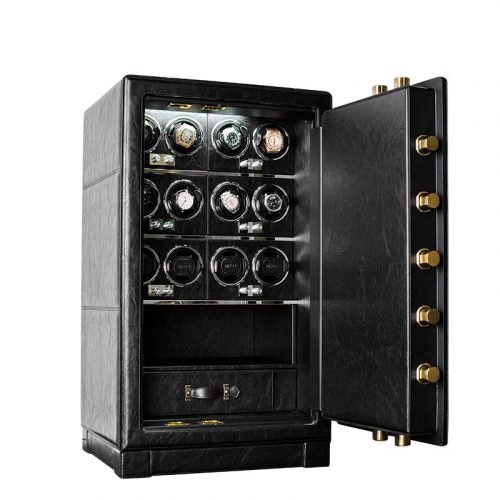 Dual Alarm Watch Winder Safe Box HP12 Series
Price range: $3,409.99 through $3,411.99
Dual Alarm Watch Winder Safe Box HP12 Series
Price range: $3,409.99 through $3,411.99
-
 Intelligent Winder Watch Z8200 Series
Price range: $304.99 through $1,210.99
Intelligent Winder Watch Z8200 Series
Price range: $304.99 through $1,210.99
-
 Watch Winder Safe Box B1120 Series
Price range: $6,815.99 through $6,817.99
Watch Winder Safe Box B1120 Series
Price range: $6,815.99 through $6,817.99
