
Why Guessing Is a Waste of Money
Every bettor thinks they’ve got a gut feeling for the game. Spoiler: gut feelings are cheap thrills, not solid strategy. Look: the NBA is a data mine, not a crystal ball. Ignoring the stats is like playing darts in the dark. You’ll miss the bullseye every single time.
Start with the Basics: Team Trends
First, pull the last ten games. Notice the win‑loss rhythm. A team on a five‑game hot streak probably carries momentum, while a three‑game slump signals deeper issues. And here is why: momentum often translates to betting value, especially when the odds haven’t caught up yet.
Key Metrics That Actually Matter
Offensive Rating vs. Defensive Rating
Don’t be fooled by a flashy offense. If a team’s defensive rating is dreadful, they’ll bleed points faster than a leaky faucet. A high offensive rating paired with a solid defensive rating? That’s a recipe for consistency.
Player Usage and Efficiency
Study usage percentages. A star should be involved in 30‑35% of plays; anything lower hints at a role player stepping up, which could affect the game flow. Efficiency—true shooting % and PER—are the hidden gears that keep the machine humming.
Injuries and Rest: The Silent Game‑Changers
One broken finger can flip a spread. Keep an eye on injury reports, especially on back‑court players. The NBA’s schedule is brutal; teams often rest stars before back‑to‑back games. That rest factor is a goldmine if you catch it before the bookmakers adjust.
Home‑Court Advantage Isn’t a Myth
Most fans think home advantage is a myth. Nope. Statistically, home teams win about 57% of the time. The real trick is adjusting the win‑probability by looking at the team’s home record against that specific opponent.
Advanced Stats: The Secret Sauce
Plus‑Minus, RAPM, and BPM dig deeper than basic box scores. They strip away the noise and highlight true impact. A player with a +10 RAPM is a game‑changer, regardless of his point total. Use these figures to spot undervalued assets.
Context: Schedule Toughness and Travel
A team hitting the road for three nights in a row? Expect fatigue to creep in. Conversely, a team with a three‑game home stretch can settle into a rhythm. That scheduling nuance often slips past casual bettors.
Putting It All Together: Build a Mini‑Model
Take the data, weight each factor—offensive rating (30%), defensive rating (30%), injury impact (20%), rest factor (10%), home advantage (10%). Plug in the numbers and compare the resulting win probability to the bookmaker’s implied probability. If you find a 5‑point edge, you’ve got a bet worth placing.
Final Actionable Advice
Before you click “Place Bet,” check the last ten games, verify injury reports, and adjust the spread with the home‑court factor. Then, if the odds still look generous, lock it in. That’s it.
About the author :

Related posts
Popular products
-
 Solid Woid Watch Winder Box S0020 Series
$192.99
Solid Woid Watch Winder Box S0020 Series
$192.99
-
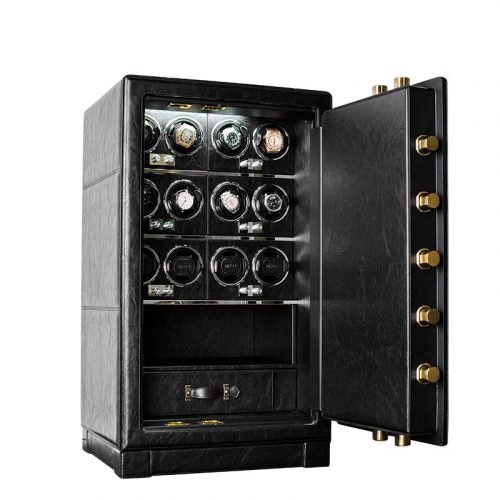 Dual Alarm Watch Winder Safe Box HP12 Series
Price range: $3,409.99 through $3,411.99
Dual Alarm Watch Winder Safe Box HP12 Series
Price range: $3,409.99 through $3,411.99
-
 Intelligent Winder Watch Z8200 Series
Price range: $304.99 through $1,210.99
Intelligent Winder Watch Z8200 Series
Price range: $304.99 through $1,210.99
-
 Watch Winder Safe Box B1120 Series
Price range: $6,815.99 through $6,817.99
Watch Winder Safe Box B1120 Series
Price range: $6,815.99 through $6,817.99
