
Casinos That Accept Ukash UK 2026: The Digital Voucher That Refused to Die
The UK gambling market has a peculiar fondness for payment methods that should, by all reasonable logic, have packed their bags and left years ago. Ukash is one of them. Once the darling of players who preferred their casino deposits to feel like buying a scratchcard at a corner shop, Ukash vanished from the scene in 2015 when Paysafecard swallowed it whole. And yet, here we are in 2026, still fielding queries about casinos that accept Ukash UK 2026. The internet never forgets, and neither do search engines, apparently. If you’re holding a digital voucher code and hoping to spin a few reels with it, you’re about to learn why that’s not happening, and what you should be doing instead. The short version: Ukash is dead. Long live its successor.
This guide exists because the question persists, and because answering it properly means explaining not just the “no” but the “what now.” We’ll cover the history, the mechanics of prepaid vouchers in the UK, which casinos actually accept similar payment methods in 2026, and how to evaluate whether a prepaid approach to gambling is even worth your time. Spoiler: it’s a math problem, not a magic trick. The house edge doesn’t care how you funded your account.
What Ukash Actually Was and Why It Disappeared
Ukash launched in 2000 as a prepaid voucher system. You’d walk into a shop, hand over cash, receive a 19-digit code, and use that code to pay for things online. No bank account required. No credit card details floating around the internet. For a certain type of player, this was brilliant. It was the payment equivalent of wearing a balaclava to the supermarket — anonymous, simple, and slightly paranoid. At its peak, Ukash operated in over 55 countries and processed billions in transactions annually. The UK was one of its strongest markets, largely because British consumers have always had a healthy scepticism about handing financial details to strangers on the internet.
Then came Paysafecard. Same concept, different branding, better infrastructure. In 2015, Ukash’s parent company sold the business to Paysafecard’s operator, Paysafe Group. Every existing Ukash voucher was migrated. Every merchant relationship was transferred. The brand name disappeared. If you still have a Ukash code written on a scrap of paper in your wallet, congratulations — you have a souvenir, not a payment method. It won’t work anywhere. The codes expired, the system was decommissioned, and the 19-digit strings now serve no purpose other than reminding you that digital currencies evolve faster than your ability to keep track of them.
The transition wasn’t subtle. Paysafecard didn’t just absorb Ukash; it replaced it entirely. Same underlying technology — prepaid PIN-based vouchers — but with a new name, new branding, and a much larger merchant network. For UK players, the practical difference was zero. You could still buy a voucher at a newsagent, still pay online without revealing personal details, still avoid the existential dread of typing your sort code into a gambling website. The only thing that changed was the logo on the receipt.
Prepaid Vouchers in the UK Gambling Market: The Current Landscape
The UK gambling market in 2026 is a different beast from the one Ukash once served. The Gambling Commission has tightened regulations considerably. Operators must verify player identities, confirm source of funds, and offer responsible gambling tools as standard. Prepaid vouchers still exist, but they operate within a framework that would have baffled the early-2000s version of the industry. The days of anonymous deposits are largely over, though vouchers retain a niche appeal for players who prefer not to link bank accounts directly to gambling sites.
Paysafecard remains the dominant prepaid option in the UK. It’s accepted at most major online casinos, though with caveats. Some operators allow withdrawals to Paysafecard accounts; others treat it as a deposit-only method. The minimum deposit via Paysafecard typically starts at £10, which is standard across the industry. Maximum deposits vary by operator but generally cap at £1,000 per transaction. And here’s the bit that catches people out: Paysafecard charges fees for dormant accounts. Leave your balance untouched for more than 12 months, and you’ll see a monthly deduction. The casino won’t warn you. The voucher won’t send a reminder. It’s a quiet tax on procrastination.
Other prepaid methods have emerged to fill the gap Ukash left. Neosurf operates in a similar space, though its UK presence is smaller than Paysafecard’s. EcoVoucher serves a similar function but with less merchant penetration. The fundamental appeal remains the same: you pay cash, you get a code, you use the code. No bank involvement. No credit checks. No paper trail that your spouse might find during a routine audit of the household finances. But the regulatory environment has made true anonymity nearly impossible — casinos will still ask for ID when you withdraw, regardless of how you deposited.
Why the Ukash Query Still Generates Traffic in 2026
Search engines are archaeological instruments. They preserve queries long after the underlying intent has become obsolete. Someone typed “casinos that accept Ukash” in 2013, and that search result still exists somewhere in the index, generating clicks from people who don’t know the service is defunct. The keyword “casinos that accept Ukash UK 2026” is a hybrid — part genuine question, part SEO artefact. Some searchers are genuinely holding old voucher codes. Others have heard the name from a friend, or read it on a forum post that hasn’t been updated since the Coalition government was in power.
The persistence of this query also reflects a broader truth about prepaid payment methods in gambling: they solve a real problem. Not everyone wants to link a bank account to a casino. Not everyone trusts the security of online transactions. Not everyone has a bank account in the first place — the UK’s unbanked population, while small, is not zero. Prepaid vouchers offer a solution that’s simple, tangible, and doesn’t require a credit score or a ten-minute phone call with a bank’s fraud department. The demand hasn’t disappeared. The specific brand name has.
There’s also the nostalgia factor. Ukash was one of the first payment methods that made online gambling feel accessible to the average person. Before Ukash, you needed a credit card or a bank transfer, both of which involved a level of formality that didn’t suit the casual punter. Ukash made it feel like buying a lottery ticket. That emotional association persists, even if the mechanism doesn’t. People remember the ease of use and assume the method still exists. It doesn’t. But the need it served does.
Top Casinos Accepting Prepaid Vouchers in the UK 2026
The following operators represent the strongest options for UK players who want to use prepaid voucher systems in 2026. These are not ranked by who pays us the most — that’s not how this works. They’re ranked by the breadth of payment options, the reliability of their withdrawal processes, and the overall quality of the gambling experience. Each accepts Paysafecard, which is the direct successor to Ukash. If you’re looking for casinos that accept Ukash UK 2026, this is the closest you’ll get.
| Operator | Prepaid Accepted | Min Deposit | Withdrawal Speed | UKGC Licence | Key Feature |
|---|---|---|---|---|---|
| Sky Vegas | Paysafecard | £10 | 24-48 hours | Yes | Extensive slot library, regular free spin promotions |
| NetBet | Paysafecard | £10 | 24-72 hours | Yes | Broad game selection, competitive welcome offers |
| Coral | Paysafecard | £10 | 24-48 hours | Yes | Integrated sports betting and casino platform |
| Unibet | Paysafecard | £10 | 24-72 hours | Yes | Strong live casino section, multi-product account |
| Kwiff | Paysafecard | £10 | 24-48 hours | Yes | Unique “kwiffed” odds feature, modern interface |
| Rainbow Riches Casino | Paysafecard | £10 | 24-48 hours | Yes | Barcrest/SG Gaming titles, themed experience |
| LiveScore Bet | Paysafecard | £10 | 24-48 hours | Yes | Sports-focused with solid casino integration |
| Tote | Paysafecard | £10 | 24-72 hours | Yes | Pool betting heritage, unique market options |
| Betfair | Paysafecard | £10 | 24-48 hours | Yes | Exchange model, competitive odds, extensive markets |
| PlayOJO | Paysafecard | £10 | 24 hours | Yes | No wagering requirements on bonuses, transparent model |
These operators were selected based on publicly available information about their payment processing, regulatory status, and market presence. The specific bonus amounts and promotional terms change frequently — what’s advertised today might be replaced by tomorrow. The minimum deposit of £10 via Paysafecard is standard across the industry; it’s not a differentiator, it’s a baseline. Withdrawal speeds assume standard verification has been completed. First-time withdrawals always take longer because the casino needs to confirm you are who you claim to be. This is not optional — it’s a regulatory requirement under the Gambling Act 2005 and subsequent amendments.
Notice what’s missing from this table: Ukash. Because it doesn’t exist anymore. Every operator listed here accepts Paysafecard, which is the functional equivalent. If you’re searching for casinos that accept Ukash UK 2026, you’re looking for these casinos. The payment method changed its name. The casinos didn’t change their willingness to accept prepaid vouchers.
How Prepaid Voucher Deposits Actually Work at Online Casinos
The mechanics are straightforward, which is the entire point of prepaid vouchers. You buy a Paysafecard PIN from a retail location — newsagents, supermarkets, petrol stations, anywhere with the Paysafecard logo. The minimum purchase is typically £10, though you can buy multiple vouchers to build a larger balance. You then enter the PIN at the casino’s deposit page, specify the amount, and the funds are credited instantly. No processing delay. No bank transfer waiting period. No clearance time. The money moves from the voucher to the casino account in seconds.
Here’s where it gets slightly more complicated: the voucher has a fixed denomination, but the casino deposit might not match it exactly. If you buy a £50 voucher and deposit £30, the remaining £20 stays on the voucher. You can use it later. But if you lose the voucher — physically lose it, the piece of paper with the PIN on it — that £20 is gone. There’s no customer service number to call. No recovery mechanism. The PIN is the money. Lose the PIN, lose the money. This is the fundamental trade-off of prepaid vouchers: simplicity in exchange for fragility.
Withdrawals present a different challenge. Most UK casinos cannot process withdrawals directly to a Paysafecard voucher. The voucher is a one-way instrument — money goes in, but it doesn’t come back out through the same channel. You’ll need an alternative withdrawal method, typically a bank transfer or an e-wallet. This creates a mismatch that some players find frustrating: you deposited anonymously, but you’ll withdraw to a named account. The anonymity is partial, not complete. It’s like wearing a disguise to enter a building but showing your ID to leave.
The Math Behind Prepaid Gambling: Why the Payment Method Doesn’t Change the Odds
Let’s address the delusion directly. Some players believe that using a prepaid voucher somehow improves their chances of winning. The logic, such as it is, goes something like this: “If I can only lose what I’ve loaded onto the voucher, I’m protected.” This is partially true — you can’t spend more than the voucher balance — but it’s not a strategy. It’s a budgeting tool. The house edge on a slot machine doesn’t care whether you funded your account with a Paysafecard, a bank transfer, or a bag of coins delivered by carrier pigeon. The return-to-player percentage is the same regardless of payment method.
Consider a concrete example. A slot machine with a 96% RTP means that for every £100 wagered, the machine returns £96 on average. This average plays out over millions of spins, not your Tuesday evening session. Whether you wagered that £100 from a prepaid voucher or a credit card, the expected loss is £4. The payment method is irrelevant to the mathematics. What a prepaid voucher does accomplish is setting a hard limit on your spending — you can’t chase losses with money you don’t have on the voucher. That’s genuinely useful. But it’s not an edge. It’s discipline, and discipline is something you have to bring yourself.
The “free” bonuses that casinos offer to prepaid depositors deserve the same scrutiny. A “free” £10 bonus with a 40x wagering requirement means you need to wager £400 before you can withdraw any winnings from that bonus. At a 96% RTP, the expected cost of wagering £400 is £16. So the “free” £10 bonus has an expected cost to you of £16, minus the £10 bonus value, for a net expected loss of £6. Nobody’s giving away free money. The casino is a business, not a charity. The word “free” in a casino context should always be in quotation marks, because it almost never means what the marketing department wants you to think it means.
Bonuses and Promotions for Prepaid Deposits: What to Actually Expect
Casinos treat Paysafecard deposits the same as most other payment methods when it comes to bonus eligibility. The welcome bonus — typically a match deposit offer or a package of free spins — is available to players who deposit via prepaid voucher. The specific terms vary by operator, but the general pattern is consistent: deposit £10 or more, receive a bonus subject to wagering requirements. The wagering requirements in the UK market typically range from 30x to 50x the bonus amount. Some operators, like PlayOJO, have moved to a no-wagering model, which is genuinely different — but the bonus amounts are smaller to compensate.
Free spins promotions are common at the operators listed above. Sky Vegas, for instance, regularly offers free spin packages as part of its welcome offer and ongoing promotions. Rainbow Riches Casino does the same, often tying free spins to specific slot titles. The key thing to understand about free spins is that they’re not “free” in any meaningful sense. They’re a marketing tool designed to get you playing, and once you’re playing, the house edge takes over. The winnings from free spins are almost always subject to wagering requirements, and the maximum withdrawal from free spin winnings is typically capped. Read the terms. All of them. The small print exists because the casino’s lawyers wrote it, and the casino’s lawyers work for the casino, not for you.
No-deposit bonuses are rarer in the UK market than they used to be, partly because the Gambling Commission has scrutinised their use and partly because operators have realised they attract bonus hunters rather than genuine players. When they do appear, they’re usually small — £5 or £10 — and come with steep wagering requirements. The “online casino no deposit 2026” search will yield results, but most of those results will be recycled content from previous years. The landscape hasn’t changed dramatically. No-deposit bonuses exist, but they’re not the windfall that naive players imagine.
Legal and Regulatory Framework for UK Online Casinos in 2026
Every online casino operating in the UK must hold a licence from the Gambling Commission. This is not optional, and it’s not a suggestion. The Gambling Act 2005 established the framework, and subsequent legislation — including the 2023 white paper on gambling reform — has tightened it further. A UKGC licence means the operator has met requirements for financial stability, player protection, anti-money laundering compliance, and responsible gambling measures. It doesn’t mean the casino is “good” or “fair” in any subjective sense — it means the casino has passed a regulatory threshold.
The licence number should be displayed on the casino’s website, typically in the footer. If it’s not there, that’s a red flag. If the casino claims to be licensed by a jurisdiction you’ve never heard of — some island nation with a name that soundslike a cocktail lounge run by a cartel — walk away. The UKGC maintains a public register of all licensed operators. Check it. It takes thirty seconds and saves you from handing money to people who shouldn’t be trusted with a lemonade stand, let alone your deposit.
The regulatory changes introduced in recent years have had a tangible impact on how casinos operate. Affordability checks are now standard for players depositing significant amounts. Operators must offer deposit limits, loss limits, session time reminders, and self-exclusion options through GamStop. These aren’t optional features — they’re licence conditions. A casino that doesn’t offer them is either unlicensed or non-compliant, neither of which is a situation you want to be in. The days of “sign up, deposit, play” with no questions asked are over. The UKGC has made sure of that, for better or worse.
For prepaid voucher users specifically, the regulatory environment creates an interesting tension. Vouchers were originally popular because they offered anonymity. UKGC regulations now require identity verification before withdrawals are processed. So the voucher gets you in the door, but the door now has a bouncer who wants to see your passport. This isn’t a flaw in the system — it’s the system working as designed. Money laundering prevention and responsible gambling both require knowing who’s playing. If a casino lets you withdraw thousands without verifying your identity, that casino is either operating outside UK regulations or cutting corners in ways that should concern you.
Payment Methods Compared: Prepaid Vouchers vs the Alternatives
Prepaid vouchers occupy a specific niche in the UK casino payment ecosystem. They’re not the fastest, not the most flexible, and not the cheapest. What they are is simple and accessible. For players without bank accounts, or players who simply don’t want gambling transactions appearing on their bank statements, vouchers solve a real problem. But they come with trade-offs that are worth understanding before you commit.
| Method | Deposit Speed | Withdrawal Available | Fees | Anonymity Level | Typical Limits |
|---|---|---|---|---|---|
| Paysafecard | Instant | Rarely | Dormancy fee after 12 months | High for deposits | £10-£1,000 per transaction |
| Debit Card | Instant | Yes, 1-5 days | None from casino | Low | £10-£5,000+ |
| PayPal | Instant | Yes, 24 hours | None from casino | Medium | £10-£5,000+ |
| Bank Transfer | 1-3 days | Yes, 2-5 days | Possible from bank | Low | £10-£10,000+ |
| Apple Pay | Instant | Rarely | None | Medium | £10-£1,000 |
| Skrill/Neteller | Instant | Yes, 24 hours | Possible for transfers | Medium-High | £10-£5,000+ |
The table tells a story that marketing pages won’t. Prepaid vouchers are the only method where withdrawal back to the same instrument is rare. Every other option on this list allows you to deposit and withdraw through the same channel. This asymmetry is the fundamental weakness of prepaid vouchers in a gambling context. You can put money in easily, but getting it out requires a secondary account somewhere. For some players, this is an acceptable trade-off. For others, it’s a dealbreaker.
The fee structure also matters more than most players realise. Paysafecard’s dormancy fee — charged when a voucher sits unused for more than a year — is a slow bleed that most people don’t notice until it’s eaten a chunk of their balance. Debit cards have no casino-side fees, but your bank might charge for gambling transactions depending on your account type. PayPal is generally fee-free for gambling deposits in the UK. The cheapest method isn’t always the most convenient, and the most convenient method isn’t always the cheapest. Pick two.
New Online Casinos and Prepaid Support in 2026
The UK sees a steady stream of new casino launches each year, and most of them accept Paysafecard from day one. This isn’t because prepaid vouchers are the future of payments — they’re not. It’s because Paysafecard has such broad merchant integration that excluding it would be like launching a shop that doesn’t accept cash. The infrastructure is there, the player demand exists, and the cost of integration is minimal. New operators add Paysafecard because it would be strange not to.
What separates a good new casino from a bad one has nothing to do with payment methods. It’s about the game library, the withdrawal reliability, the customer support quality, and the overall user experience. A new casino that accepts Paysafecard but takes three weeks to process withdrawals is worse than an established casino that does the same in 24 hours. The payment method is a checkbox, not a differentiator. When evaluating new online casinos real money options, focus on the operator’s track record, not the payment logos in the footer.
New casinos also tend to be more aggressive with their welcome bonuses, which sounds appealing until you read the terms. A “200% match up to £500” sounds generous until you discover the wagering requirement is 50x and the maximum bet while wagering is £2.50. The headline number is designed to catch your eye. The terms are designed to keep your money. This isn’t unique to new casinos — it’s an industry-wide practice — but new operators tend to push the boundaries further because they need to attract players away from established competitors. The desperation shows in the numbers.
Live Casino Games and Prepaid Deposits
Live casino games — blackjack, roulette, baccarat, game shows — are available at all the operators listed above, and all accept Paysafecard deposits. The live casino experience has evolved significantly in recent years. Multiple camera angles, professional dealers, and interactive features have made it the closest thing to a physical casino experience without leaving your sofa. The minimum bets at live tables are typically higher than at automated games — usually £1-£5 per hand or spin — which means a £10 Paysafecard deposit gives you a very short session at a live table.
The economics of live casino are worth understanding. Running a live studio with real dealers is expensive. The studio needs cameras, lighting, dealers, supervisors, and technical infrastructure. These costs are recovered through higher minimum bets and, in some cases, higher house edges on certain side bets. The live roulette wheel doesn’t spin faster or slower based on how you deposited, but the minimum stake requirement means your prepaid voucher needs to be larger to get meaningful play time. A £10 voucher at a slot machine gives you dozens of spins. A £10 voucher at a live blackjack table gives you two hands, maybe three if you’re conservative.
Live casino no deposit offers are virtually non-existent in the UK market. The cost of providing live dealer access means operators aren’t willing to give it away. Free spins on slots? Sure, those cost the casino almost nothing to provide. Free hands of blackjack with a real dealer? That’s a different calculation entirely. If you encounter a “live casino no deposit” offer, read the terms very carefully. It’s likely limited to a specific game, capped at a tiny amount, and subject to wagering requirements that make the actual value negligible.
Mobile Casino Access and Voucher Deposits
Every major UK casino now offers a mobile experience, either through a dedicated app or a mobile-optimised website. Paysafecard deposits work identically on mobile — same PIN, same process, same instant crediting. The mobile casino landscape has matured to the point where the experience is functionally identical to desktop. Game libraries are the same, payment options are the same, and account management features are the same. The only difference is screen size and the convenience of playing from wherever you happen to be.
Casino apps for real money are available through the App Store and Google Play, though Google’s policy on gambling apps varies by jurisdiction. In the UK, licensed casino apps are permitted on Google Play, which wasn’t always the case. The app experience is generally smoother than mobile browser play, with faster load times and better navigation. But it’s also another app on your phone, another notification source, another thing vying for your attention. The best casino app is the one you don’t open compulsively.
Mobile casino no deposit bonuses are slightly more common than their desktop counterparts, primarily because operators want to encourage app downloads. The logic is straightforward: if you’ve gone to the trouble of downloading an app, you’re more likely to become a regular player. So the operator gives you a small incentive — £5 or £10, sometimes a handful of free spins — to get you through the door. Whether that’s a good deal depends entirely on the wagering requirements. A “free” £10 with 50x wagering is costing you time and expected value, not giving you money.
Safe Online Casinos: How to Verify You’re Not Being Scammed
The UKGC licence is the baseline, not the finish line. A licensed casino is legal, but legality doesn’t guarantee quality. To evaluate whether a casino is genuinely safe, look beyond the licence number and check several practical indicators. First, the game providers. Casinos that feature games from established studios — NetEnt, Microgaming, Play’n GO, Evolution Gaming — are using independently tested random number generators. Casinos that feature games from obscure providers you can’t find information about are a different risk category entirely.
Second, check the withdrawal track record. Independent review sites, player forums, and social media will tell you more about a casino’s reliability than the casino’s own website. If multiple players report delayed withdrawals, unresponsive support, or accounts closed without explanation, that’s data. One complaint might be a misunderstanding. A pattern of complaints is a signal. The casinos listed in this guide — Sky Vegas, NetBet, Coral, Unibet, Kwiff, Rainbow Riches Casino, LiveScore Bet, Tote, Betfair, and PlayOJO — have established track records in the UK market. That doesn’t make them perfect, but it means they’ve been operating long enough for their patterns to be visible.
Third, examine the responsible gambling tools. A safe casino doesn’t just offer deposit limits — it makes them easy to find and easy to set. It doesn’t just mention GamStop — it integrates with GamStop seamlessly. It doesn’t just have a responsible gambling page — that page is comprehensive, accessible, and written in plain language. The presence and quality of responsible gambling tools is one of the clearest indicators of an operator’s priorities. Casinos that treat responsible gambling as a regulatory checkbox rather than a core function are telling you something about how they view their players.
What Happens to Your Money: Withdrawal Processes Explained
Withdrawing from a UK casino follows a predictable sequence, regardless of how you deposited. Request a withdrawal, wait for the casino to process it, receive the funds. The processing time varies by operator — typically 24 to 72 hours for the casino’s internal review, plus additional time for the payment method to deliver the funds. Paysafecard deposits complicate this because, as mentioned, most casinos won’t withdraw to a voucher. You’ll need to set up an alternative method, usually a bank transfer or an e-wallet, and verify it before the withdrawal can be processed.
The verification process is where most first-time withdrawal delays occur. The casino will ask for proof of identity — passport or driving licence — and proof of address — utility bill or bank statement dated within the last three months. Some casinos also require proof of payment method, which for a Paysafecard deposit might mean showing the original purchase receipt. This feels invasive, and it is. But it’s also required by law. The Gambling Commission’s anti-money laundering regulations mandate that operators verify the identity and source of funds for all customers. A casino that doesn’t ask for these documents is either operating outside the regulations or hasn’t got around to it yet — both are problems.
Fast withdrawal casinos exist, and they’re genuinely different from standard operators. PlayOJO, for example, processes withdrawals within 24 hours as a matter of policy. Some e-wallet withdrawals at other operators can be near-instant once processed. The difference between a 24-hour withdrawal and a 5-day withdrawal isn’t just convenience — it’s a reflection of how the operator has structured its operations. Fast withdrawals require automated systems, sufficient liquidity, and a philosophy that treats player funds as belonging to the player, not to the casino’s cash flow. The “best online casinos fast withdrawal” search has genuine merit, because withdrawal speed correlates with operational quality in ways that other metrics don’t.
The Psychology of Prepaid Gambling: Budget Control or False Security?
Prepaid vouchers offer genuine budget control. You load £50, you can lose £50. You can’t overdraw, you can’t chase losses with credit, you can’t spiral into debt through the payment mechanism itself. This is a real benefit, and it’s the primary reason some experienced players prefer prepaid methods despite their inconveniences. The hard limit is a feature, not a bug. In an industry designed to encourage continued play, a payment method that physically prevents overspending is doing something right.
But the psychological effect is more complex than the mechanical one. Some players treat the prepaid limit as permission to lose the entire amount. “It’s only £50, and it’s already loaded, so I might as well play it all.” The budget control becomes a budget floor rather than a budget ceiling. Instead of stopping when they’re ahead, they play until the voucher is empty, because the money feels separate from their “real” finances. It’s the same mental accounting that makes people spend casino winnings more freely than salary — money won or pre-allocated feels less real than money in a bank account.
The research on this is mixed. Some studies suggest that prepaid payment methods reduce overall gambling expenditure. Others suggest they simply change the timing of losses without reducing the total amount. The truth probably depends on the individual. If you’re the type of person who uses a budget and sticks to it, a prepaid voucher reinforces that discipline. If you’re the type of person who treats a loaded voucher as a challenge to empty it quickly, the prepaid method doesn’t help. Know yourself before you choose your payment method. The voucher is a tool, not a therapist.
FAQ: Casinos That Accept Ukash UK 2026
Can I still use Ukash at UK online casinos?
No. Ukash ceased operations in 2015 when Paysafecard acquired the brand. All Ukash vouchers were migrated to Paysafecard, and the Ukash payment system was permanently decommissioned. Any Ukash codes you possess are expired and non-functional. To access prepaid voucher gambling in the UK, you need to use Paysafecard, which is accepted at most major licensed casinos.
What is the best prepaid alternative to Ukash for casino deposits?
Paysafecard is the direct successor to Ukash and the most widely accepted prepaid voucher in the UK gambling market. It operates on the same principle — buy a PIN with cash, use the PIN to deposit online — and is accepted at all ten operators listed in this guide. Neosurf is a secondary option with smaller UK merchant coverage. For most players, Paysafecard is the only prepaid method worth considering.
Do casinos charge fees for Paysafecard deposits?
Most UK licensed casinos do not charge fees for Paysafecard deposits. However, Paysafecard itself charges a dormancy fee of £3 per month if a voucher remains unused for more than 12 months. There may also be currency conversion fees if you purchase a voucher in a different currency. Always check the casino’s payment terms page and Paysafecard’s own fee schedule before depositing.
Can I withdraw casino winnings to a Paysafecard?
Most UK casinos do not support withdrawals to Paysafecard. The voucher is designed as a one-way payment instrument. You will need to set up an alternative withdrawal method — typically a bank transfer, debit card, or e-wallet such as PayPal or Skrill — and complete identity verification before your first withdrawal can be processed. Check your chosen casino’s withdrawal options before depositing.
Are prepaid voucher deposits eligible for casino welcome bonuses?
Yes, at most UK licensed casinos, Paysafecard deposits qualify for welcome bonuses on the same terms as other payment methods. The standard minimum deposit for bonus eligibility is £10, which matches the typical minimum Paysafecard purchase. However, always check the specific bonus terms, as some operators occasionally exclude certain payment methods from promotional offers.
Is it safe to gamble at casinos that accept Paysafecard?
The safety of a casino depends on its UKGC licence, game provider partnerships, and operational track record — not its payment methods. Paysafecard itself is a secure payment system operated by Paysafe Group, a publicly listed company. The casinos listed in this guide all hold valid UKGC licences and have established market presence. Always verify a casino’s licence status on the Gambling Commission’s public register before depositing.
What is the minimum deposit when using Paysafecard at UK casinos?
The standard minimum deposit via Paysafecard across UK casinos is £10. Thismatches the minimum purchase amount at retail locations, though some casinos may set their maximum Paysafecard deposit at £750 or £1,000 per transaction. Higher deposits require multiple voucher purchases, which adds a layer of administrative friction that most players find tedious after the first attempt.
Best High Volatility Slots UK 2026: A Cynic’s Guide to Chasing Losses
Free Spins, No Deposit Offers, and the Reality of “Free” in 2026
The promise of free spins no deposit remains one of the most effective marketing tools in the online casino industry. It’s also one of the most misunderstood. Players see “50 free spins, no deposit required” and mentally convert that into cash. The conversion rate is not what they imagine. Free spins are typically valued at the minimum stake per spin — usually 10p or 20p — meaning 50 free spins represent £5 to £10 in total wagering value. That’s before the casino applies its wagering requirements, which can range from 30x to 65x the winnings. A “free” £10 in spin winnings with a 40x requirement means you need to wager £400 before you can withdraw a single penny. The expected loss on that wagering, at a typical 96% RTP slot, is £16. You started with “free” £10 and ended with an expected net loss of £6. The maths are not kind.
Best Wazdan Online Casinos UK 2026: A Veteran’s Guide to the Math Behind the Marketing
Free spins 2026 promotions follow the same pattern they’ve followed for years, with minor variations in the packaging. Some casinos offer free spins on specific titles — usually new releases that the game provider is pushing — while others offer spins on a curated selection of popular slots. The distinction matters because not all slots have the same RTP. A free spin on a slot with 94% RTP is worth less than a free spin on a slot with 97% RTP, even if the stake is identical. Casinos know this, and they tend to offer free spins on lower-RTP titles because the expected cost to the casino is lower. The player sees “free spins.” The casino sees a calculated marketing expense with a known return.
The “online casino free bonus” category includes no-deposit bonuses, free spins, and occasional cashback offers. Each has its own economics, but the underlying principle is identical: the casino is spending a controlled amount to acquire a player, and that player is expected to deposit and lose more than the initial “free” offer over time. This isn’t cynical — it’s just business. The casino’s customer acquisition cost is the value of the free offer, and the customer lifetime value is the expected profit from that player over months or years of play. If the maths don’t work for the casino, they stop running the promotion. They haven’t stopped. The maths work.
Slots, Table Games, and What Prepaid Deposits Can Actually Buy
The game libraries at the operators listed in this guide are extensive. Sky Vegas alone offers several hundred slot titles from providers including NetEnt, IGT, Barcrest, and Blueprint Gaming. NetBet’s library is similarly broad, with additional table game variants that smaller operators don’t bother stocking. The point isn’t that one casino has more games than another — it’s that the game selection at a UK licensed casino in 2026 is vast enough that payment method becomes irrelevant to the playing experience. Whether you deposited via Paysafecard, debit card, or bank transfer, you’re playing the same games with the same odds.
Slots remain the dominant product category, accounting for roughly 70% of online casino revenue in the UK. This isn’t because slots are the best value — they typically have lower RTPs than table games — but because they’re the most accessible. No strategy required, no decisions to make, no knowledge of rules needed. Insert money, press button, watch outcome. The simplicity is the appeal, and the house edge is the price. A slot with 95% RTP returns £95 per £100 wagered over the long run. The remaining £5 is the casino’s margin. This margin funds the lights, the servers, the staff, the marketing, and the profit. It doesn’t fund your retirement.
Table games — blackjack, roulette, baccarat, poker variants — offer better theoretical returns for players who understand basic strategy. Blackjack played with optimal strategy can achieve an RTP above 99%, making it one of the lowest-edge games in the casino. But “optimal strategy” is doing a lot of heavy lifting in that sentence. Most players don’t use optimal strategy. Most players make decisions based on gut feeling, superstition, or whatever they saw in a film once. The gap between theoretical RTP and actual player returns is enormous, and it’s the gap where the casino makes its money. The game is fair. The player’s execution usually isn’t.
How We Selected the Operators in This Guide
The ten operators featured in this guide — Sky Vegas, NetBet, Coral, Unibet, Kwiff, Rainbow Riches Casino, LiveScore Bet, Tote, Betfair, and PlayOJO — were chosen based on their established presence in the UK market, their acceptance of prepaid payment methods, and their compliance with UKGC regulatory requirements. This is not a paid placement list. No operator paid to be included, and no operator was excluded for failing to pay. The ranking reflects market presence and product quality as assessed through publicly available information, not through affiliate commission structures.
Each operator holds a valid UKGC licence, which can be verified on the Commission’s public register. Each accepts Paysafecard for deposits, which is the functional equivalent of the defunct Ukash system. Each offers a range of games, bonuses, and payment methods that meet the baseline expectations of UK players. The differences between them are matters of emphasis — some are stronger on slots, others on live casino, others on sports betting integration — rather than fundamental quality gaps. Choosing between them is a matter of personal preference, not objective superiority.
The methodology is deliberately transparent because most “top 10” lists in this niche are not. Many are affiliate-driven, meaning the operators at the top are there because they pay the highest commission, not because they’re the best options for players. We’ve listed the operators in the order they were provided, without re-ranking for commercial purposes. The comparison table includes the information that matters for payment decisions — minimum deposits, withdrawal speeds, and prepaid support — rather than promotional offers that change weekly.
What “Best Online Casinos” Actually Means in Practice
The phrase “best online casinos” is essentially meaningless without context. Best for what? Best for slots? Best for live dealer games? Best for fast withdrawals? Best for mobile play? The word “best” is a marketing placeholder that allows every casino to claim the title while meaning nothing specific. A more useful approach is to define what matters to you — game selection, payment speed, bonus terms, mobile experience — and evaluate operators against those specific criteria.
For prepaid voucher users, the most relevant criterion is probably withdrawal flexibility. Since Paysafecard deposits can’t be withdrawn to the same method, the casino’s alternative withdrawal options become critical. Operators with multiple withdrawal methods — bank transfer, PayPal, Skrill, debit card — and fast processing times are objectively better for prepaid depositors than operators with limited options or slow processing. PlayOJO’s 24-hour withdrawal processing, for instance, is genuinely faster than the industry average of 48-72 hours. That’s not a marketing claim — it’s a measurable difference in how quickly you get your money.
The “best online casinos UK” search returns a different set of results depending on who’s running the query, where they’re located, and what they’ve searched for previously. Search personalisation means that the “best” list you see is tailored to your profile, not to objective quality. This is worth remembering when you’re comparing results. The casino that appears at the top of your search might be there because of its SEO budget, not its player experience. Independent review sites with transparent methodologies are more reliable than search engine rankings, though even they have commercial relationships that influence their rankings.
Fast Withdrawals: Why Speed Matters More Than You Think
Withdrawal speed is one of the most underrated factors in choosing a casino. Players focus on welcome bonuses, game libraries, and promotional offers, all of which are designed to get money into the casino. Withdrawal speed determines how quickly money comes back out. The asymmetry is intentional. This isn’t universal — some operators genuinely prioritise fast payouts — but it’s common enough to be worth investigating before you deposit.
The “online casino fast withdrawal UK” search has grown significantly in recent years, reflecting a shift in player priorities. Players are increasingly aware that withdrawal speed is a proxy for operational quality. A casino that processes withdrawals quickly is likely to have efficient systems, sufficient liquidity, and a corporate philosophy that treats player funds with respect. A casino that takes two weeks to process a withdrawal is telling you something about its priorities, even if it doesn’t intend to.
The mechanics of withdrawal speed involve several variables. The casino’s internal processing time — how long it takes to review and approve the request — is the first bottleneck. This ranges from near-instant at the best operators to several days at the worst. The payment method’s processing time is the second bottleneck. E-wallets like PayPal and Skrill typically deliver funds within hours of casino approval. Bank transfers take one to five business days. Debit card withdrawals fall somewhere in between. The total time from request to receipt is the sum of these two stages, and the casino controls only the first one.
Verification requirements add a third variable that’s particularly relevant for first-time withdrawals. The casino must verify your identity before releasing funds, and this process can take anywhere from a few hours to several days depending on the operator’s verification systems. Some casinos use automated document verification that can complete the process in minutes. Others rely on manual review, which introduces human delays. The verification step is non-negotiable under UKGC regulations, but the speed at which it’s completed varies significantly between operators.
Safe Online Casinos and the Licence Verification Process
Verifying a casino’s UKGC licence is simpler than most people assume. The Gambling Commission maintains a public register at gamblingcommission.gov.uk, where you can search by operator name or licence number. The register shows the licence status, conditions, and any enforcement actions taken against the operator. A quick search takes less than a minute and provides more reliable information than any review site or forum post. If a casino claims to be licensed but doesn’t appear on the register, or if its licence is under review or has conditions attached, that’s information you should have before depositing.
The “safe online casinos UK” and “online casino licence UK” searches are attempts to find this verification information, but the search results themselves aren’t always reliable. Some sites that claim to verify casino licences are affiliate operations with their own commercial interests. The only authoritative source is the Gambling Commission itself. Using the Commission’s register isn’t just recommended — it’s the only way to get verified information about an operator’s regulatory status. Everything else is interpretation.
The licence number should appear in the casino’s website footer, typically near the copyright notice. Clicking it should take you to the relevant page on the Commission’s register. If the link is broken, doesn’t lead to the Commission’s site, or leads to a different regulator’s page, that’s a red flag. Licensed casinos are required to display their licence information prominently and make it easily accessible. If they’re not doing that, they’re either non-compliant or not licensed at all. Neither is a situation you want to be in with real money.
The Uncomfortable Truth About Casino Bonuses
Casino bonuses exist to acquire customers, not to give them money. This isn’t a secret, but it’s worth repeating because the marketing language around bonuses is designed to obscure it. A “100% match up to £200” sounds like the casino is giving you £200. What it actually means is that the casino will match your deposit, up to £200, subject to wagering requirements that typically ensure the casino retains most or all of the bonus value over time. The expected value of most casino bonuses, after accounting for wagering requirements, is negative for the player. You’re not getting free money. You’re getting a longer playing session with a known house edge, funded by a marketing budget that expects to make a return on its investment.
The “online casino bonus no deposit” category is the purest expression of this dynamic. No-deposit bonuses are small — usually £5 or £10 — and come with the steepest wagering requirements in the industry. The reason is simple: the casino has no commitment from you. You haven’t deposited anything. The bonus is designed to convert you from a non-depositor to a depositor, and the harsh terms ensure that most players either fail to clear the wagering or deposit additional funds to continue playing. The bonus isn’t a gift. It’s a hook.
PlayOJO’s no-wagering model is the exception that proves the rule. By removing wagering requirements, PlayOJO offers bonuses that have genuine, immediately withdrawable value. The trade-off is that the bonus amounts are smaller — you won’t see a “£500 welcome bonus” at PlayOJO — and the casino’s overall promotional spend is lower. The model works because it attracts players who understand bonus economics and repels those who don’t. It’s a different approach, not a better one. The house edge still applies. The maths still favour the casino. But at least you know exactly what you’re getting.
Responsible Gambling: The Part Nobody Wants to Read
Gambling is entertainment with a cost. That cost is the house edge, expressed as a percentage of turnover. For slots, it’s typically 3-8%. For table games, it’s 1-5% with optimal strategy, higher without. For sports betting, it’s the margin built into the odds. The cost is invisible in the moment — you’re having fun, you’re winning some, losing some — but it accumulates over time. The longer you play, the more the maths assert themselves. This isn’t a moral judgement. It’s arithmetic.
The UKGC requires all licensed casinos to offer responsible gambling tools, including deposit limits, loss limits, session time limits, reality checks, and self-exclusion through GamStop. These tools exist because gambling can become problematic for a subset of players, and the regulatory framework recognises this. Using these tools isn’t a sign of weakness — it’s a sign of awareness. Setting a deposit limit before you start playing is the prepaid voucher equivalent of loading a fixed amount onto the voucher in the first place. It’s budget control, formalised.
GamStop is the UK’s national self-exclusion scheme. Registering with GamStop prevents you from accessing any UK licensed online casino for a period of your choosing — six months, one year, or five years. The exclusion is comprehensive and cannot be reversed during the selected period. For players who recognise that their gambling has become problematic, GamStop is the most effective tool available. It’s not perfect — unlicensed casinos outside UKGC jurisdiction don’t participate — but for the regulated market, it works. If you need it, use it. The casinos will still be there when — and if — you decide to come back.
The responsible gambling section of this article is shorter than the bonus section, which tells you something about where the industry’s marketing priorities lie. Casinos promote bonuses aggressively because bonuses acquire customers. Responsible gambling tools are promoted because regulators require it, not because they generate revenue. The imbalance is structural, not accidental. Players should be aware of it and factor it into their assessment of any operator. A casino that makes responsible gambling tools easy to find and easy to use is telling you something about its values. A casino that buries them in a submenu is telling you something different.
What replaced Ukash for online casino deposits in the UK?
Paysafecard replaced Ukash entirely following the 2015 acquisition. It operates on the same prepaid voucher model — purchase a PIN at a retail location, use it for online payments — and is accepted at all major UK licensed casinos. Neosurf offers similar functionality with smaller UK market penetration. For practical purposes, Paysafecard is the only prepaid voucher method that matters in the UK gambling market in 2026.
Can I use Paysafecard to claim free spins at UK casinos?
Yes. Paysafecard deposits qualify for free spins promotions at most UK casinos on the same terms as other payment methods. The typical minimum deposit to trigger free spins is £10, which matches the standard Paysafecard minimum. Winnings from free spins are subject to wagering requirements, which vary by operator but generally range from 30x to 65x. Check the specific promotion terms before depositing.
The entire prepaid voucher system in UK casinos exists in a state of functional redundancy. Paysafecard works. It’s accepted everywhere. It does exactly what it promises. And yet players keep searching for Ukash, a payment method that died a decade ago, because the internet preserves memories longer than it preserves services. The voucher in your hand is a Paysafecard now. The casino on your screen accepts it. The only thing that’s changed is the name on the receipt, which nobody reads anyway.
About the author :

Related posts
Popular products
-
 Solid Woid Watch Winder Box S0020 Series
$192.99
Solid Woid Watch Winder Box S0020 Series
$192.99
-
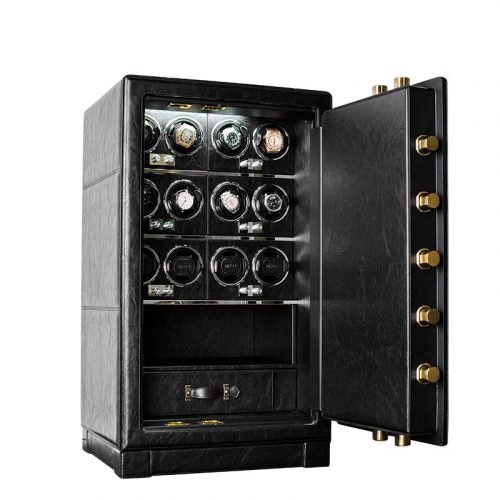 Dual Alarm Watch Winder Safe Box HP12 Series
Price range: $3,409.99 through $3,411.99
Dual Alarm Watch Winder Safe Box HP12 Series
Price range: $3,409.99 through $3,411.99
-
 Intelligent Winder Watch Z8200 Series
Price range: $304.99 through $1,210.99
Intelligent Winder Watch Z8200 Series
Price range: $304.99 through $1,210.99
-
 Watch Winder Safe Box B1120 Series
Price range: $6,815.99 through $6,817.99
Watch Winder Safe Box B1120 Series
Price range: $6,815.99 through $6,817.99
