
Best Progressive Jackpot Slots 2026: The Only Guide That Won’t Lie to You
Forget the flashy banners and the promises of instant riches. The search for the best progressive jackpot slots in 2026 is less about finding a magic formula and more about understanding cold, hard maths. A progressive jackpot is a pool of money that grows with every bet placed across a network of games, often reaching life-changing sums before a single, lucky spin triggers it. The UK market is saturated with options, and the difference between a worthwhile spin and a pointless one often comes down to the operator, the game’s mechanics, and the fine print you never read. This guide cuts through the noise, focusing on the mechanics, the operators, and the brutal reality of chasing a number that climbs by the second.
The landscape of online casinos in the UK is governed by the Gambling Commission, and any operator worth your time must hold a valid licence. This isn’t just a rubber stamp; it dictates everything from game fairness to how your winnings are protected. When you’re looking at slots, especially progressives, the licence is your first filter. Beyond that, the real game begins with understanding how these jackpots are funded, what the typical return-to-player (RTP) looks like when a jackpot is excluded, and which platforms host the most reliable networks. We’ll examine the top operators on the market, not as saviours, but as businesses with specific strengths and weaknesses in the jackpot space.
Understanding Progressive Jackpots: The Mechanics Behind the Millions
A progressive jackpot is, at its core, a simple concept. A tiny fraction of every wager placed on a linked game is siphoned off into a central prize pool. This pool continues to grow until one random spin, or a specific combination of symbols, hits the jackpot. The key word here is “random.” There is no skill, no strategy, and no “hot” or “cold” streak. The odds of triggering the jackpot are astronomically low, often comparable to winning the National Lottery. The appeal lies in the accumulating number, a digital monument to collective loss that one person will eventually claim.
The networks matter immensely. Some jackpots are “local,” meaning they’re only fed by players at a single casino. These tend to be smaller and hit more frequently. Others are “wide-area” or “network” progressives, linked across hundreds of casinos and thousands of games simultaneously. These are the behemoths, the ones that make headlines with eight-figure payouts. The trade-off is straightforward: wider networks mean bigger jackpots but slimmer odds for any individual player. A game like Mega Moolah, for instance, is a network progressive, which is why its jackpot regularly climbs into the tens of millions before someone, somewhere, gets the notification.
The base game RTP of a progressive slot is almost always lower than that of a standard slot. This is because a portion of each bet is diverted to the jackpot pool. A typical non-progressive slot might offer an RTP of 96-97%. A progressive slot, with the jackpot contribution excluded, might sit closer to 88-92%. You are, in effect, paying a premium on every spin for the infinitesimal chance at the top prize. The math is not in your favour for consistent play; it’s a lottery ticket with better graphics. Understanding this baseline is crucial before you deposit a single pound chasing a number that’s designed to be nearly impossible to reach.
The UK Regulatory Landscape and What It Means for Your Payout
The UK Gambling Commission (UKGC) is the single most important entity in this equation. Any operator offering services to UK players must hold a UKGC licence. This licence ensures that games are tested for fairness by independent bodies like eCOGRA or iTech Labs, that player funds are held in segregated accounts, and that responsible gambling tools are readily available. Playing on an unlicensed site is not just risky; it’s foolish. Your recourse for disputes vanishes, and the promise of a “big win” could evaporate with a single email.
Licence verification is non-negotiable. The UKGC licence number should be displayed in the footer of every page of a casino’s website. You can then cross-reference this number on the UKGC’s public register to confirm its status. A valid licence also mandates clear terms and conditions, particularly around bonuses and withdrawals. The days of casinos hiding predatory clauses in 10,000-word documents are numbered, though you should still read them. The regulator’s focus on “safer gambling” has led to mandatory deposit limits, reality checks, and self-exclusion tools like GamStop, which are integrated into all licensed platforms.
Withdrawal speeds are another area where regulation and operator policy intersect. The UKGC requires that operators have robust anti-money laundering (AML) checks, which can delay your first withdrawal. However, once verified, the speed at which you receive your funds is largely down to the operator’s internal processes and the payment method you choose. E-wallets like PayPal and Skrill are typically the fastest, often processing within 24 hours. Debit cards and bank transfers can take 3-5 working days. The “fast withdrawal” label is a marketing tool, but it does correlate with operators who have streamlined their verification and payment systems. The best online casinos for fast withdrawals in the UK are those who have invested in automated verification and have dedicated payment teams.
Top Progressive Jackpot Slots to Watch in 2026
The catalogue of progressive slots is vast, but a few titles consistently dominate the landscape due to their network size and payout history. Mega Moolah, developed by Microgaming, remains the undisputed king. Its four-tiered jackpot system (Mini, Minor, Major, Mega) has paid out billions since its launch. The “Mega” jackpot seeds at £1 million and has been known to exceed £15 million. The game itself is a dated African safari theme, but nobody plays it for the graphics. They play for the number.
NetEnt’s Mega Fortune is another perennial contender. Its luxury theme and bonus wheel feature have made it a staple. The jackpot history is impressive, with several payouts exceeding £10 million. A key difference is the bonus game trigger; you need to land three bonus symbols to enter the wheel, where the jackpot is won. This adds a layer of anticipation, however illusory, compared to a purely random trigger. The game’s RTP, excluding the jackpot, is around 96.6%, which is relatively generous for a progressive. It’s a small mercy in a game designed to take your money slowly.
Playtech’s Jackpot King series, featured heavily at operators like Coral and Betfair, offers a different model. The Jackpot King feature can be triggered on any spin across a range of linked games, including popular titles like The Goonies and Deal or No Deal. This network feeds three progressive pots: the Royal Pot, the Regal Pot, and the Jackpot King itself. The latter has paid out sums in the seven-figure range. The advantage here is variety; you’re not stuck playing a single game to chase the jackpot. You can spin on a branded slot you enjoy and still have a shot at the top prize, which is about as close to a “free” bonus as you’ll get from a casino. And we all know casinos aren’t charities.
Operator Spotlight: Where to Play Progressive Jackpots in the UK
Choosing the right operator is as important as choosing the right game. The platform determines the breadth of games available, the speed of payouts, and the overall reliability of the experience. The following operators are significant players in the UK market, each with its own profile for jackpot hunters. This is not a list of recommendations, but a factual overview of what each brings to the table. Your choice should be based on your own research and priorities.
| Operator | Key Progressive Networks | Typical Withdrawal Speed | Minimum Deposit | Notable Feature |
|---|---|---|---|---|
| BetMGM | Mega Moolah, Jackpot King | 24-48 hours (e-wallets) | £10 | Large game library, strong mobile app |
| Betfair | Jackpot King, Age of the Gods | 24 hours (e-wallets) | £10 | Exchange integration, robust platform |
| Gala Bingo | Jackpot King, Coral’s network | 24-72 hours | £5 | Low entry point, bingo-slot crossover |
| Heart Bingo | Various, including network progressives | 24-48 hours | £10 | Brand trust, simple interface |
| Coral | Jackpot King, Coral exclusive pools | 24 hours (e-wallets) | £5 | High-street presence, fast processing |
| PartyCasino | Mega Moolah, The Big One | 24 hours (e-wallets) | £10 | Exclusive jackpots, loyalty rewards |
| Rainbow Riches Casino | Barcrest progressives, some network links | 24-48 hours | £10 | Themed around a single franchise |
| Betvictor | Multiple networks, including Mega Moolah | 24 hours (e-wallets) | £5 | Competitive odds, clean design |
| Virgin | Virgin Games exclusives, some network links | 24-48 hours | £10 | Unique branding, community feel |
| 888 Casino | Millionaire Genie, Mega Fortune | 24-48 hours | £10 | Long-standing reputation, proprietary games |
These operators represent a cross-section of the UK market. BetMGM and PartyCasino are known for their extensive game libraries, often hosting the latest releases from major developers. Betfair and Coral benefit from their established infrastructure and high-street recognition, which translates to streamlined payment processes. Gala Bingo and Heart Bingo cater to a more casual audience, with lower minimum deposits and a focus on community, but they still provide access to major progressive networks. The key is that all these platforms are UKGC-licensed, providing the baseline security required. The differences are in user experience, game selection, and the subtle variations in promotional offers, which are often more about attracting new customers than providing genuine value.
Bonuses, Free Spins, and the Illusion of Value
Casino bonuses are the primary marketing tool, and they are designed to get you to deposit and play. The most common offer for slot players is the “free spins” bonus. These are rarely “free” in any meaningful sense. They come with wagering requirements, meaning you must bet any winnings from the spins a certain number of times before you can withdraw. A typical offer might be “50 free spins on Starburst, with 35x wagering.” If you win £10 from those spins, you must place £350 in bets before that £10 becomes cash. The house edge ensures that, over that volume of play, you are statistically likely to lose more than the £10 you’re trying to unlock.
No deposit bonuses are even more restrictive. They are small amounts of bonus cash (often £5-£10) or free spins given just for signing up, with no deposit required. The wagering requirements are usually higher (40x or 50x), and there is often a maximum withdrawal cap, sometimes as low as £50. These bonuses are loss leaders for the casino, designed to get you through the door and comfortable with the platform. The hope is that you’ll enjoy the experience and deposit your own money. For the player, they are a way to test a site with minimal risk, but expecting to turn a no deposit bonus into a significant withdrawal is a fantasy.
When evaluating a bonus, ignore the headline number and focus on three metrics: the wagering requirement, the time limit to complete it, and the maximum bet allowed while the bonus is active. A “200% up to £200” bonus with 60x wagering and a 7-day time limit is almost worthless. A “100% up to £100” bonus with 30x wagering and a 30-day limit is far more achievable. The best online casinos for bonuses are those with transparent, reasonable terms. But remember, the bonus is a tool to extend play, not a guaranteed profit. The house always has the edge, and the bonus is just a longer leash.
What is the best strategy for playing progressive jackpot slots?
There is no strategy that influences the outcome of a progressive jackpot slot. These games use a random number generator (RNG) to determine each spin’s result, making every outcome independent and unpredictable. The only practical advice is to set a strict budget, choose a game with a jackpot you find interesting, and understand that the odds of winning are extremely low. Playing the maximum bet is sometimes required to be eligible for the top jackpot, but this also increases your rate of loss. Treat it as entertainment with a cost, not an investment.
How do I know if an online casino is safe and licensed in the UK?
Check for the UK Gambling Commission logo and licence number in the website’s footer. Click the number to verify it on the UKGC’s official register. A licensed casino will also have links to its terms and conditions, privacy policy, and responsible gambling tools. Look for seals from independent auditors like eCOGRA, which test game fairness. If any of these are missing, or if the operator is not listed on the UKGC register, do not play there. Your safety is your responsibility.
Can I play progressive jackpot slots on my mobile phone?
Yes, virtually all modern progressive jackpot slots are built using HTML5 technology, which allows them to run directly in a mobile browser or through a dedicated casino app. The gameplay, graphics, and jackpot mechanics are identical to the desktop version. The best mobile casino apps are those that offer a seamless experience, quick loading times, and easy access to your account and payment methods. Ensure you have a stable internet connection, as a dropped connection during a spin could void the round, though the outcome is still determined server-side.
New Online Casinos and the Progressive Jackpot Scene
The UK market sees a constant influx of new online casinos, each trying to carve out a niche. For jackpot players, a new site can be both an opportunity and a risk. The opportunity lies in potentially generous welcome bonuses and a fresh, modern platform. The risk is in unproven reliability. A new casino might have a UKGC licence, but it lacks a track record of handling large payouts smoothly. There’s a certain peace of mind that comes with a site that has been processing withdrawals for years without major incident.
New online casinos no deposit offers are particularly common as they fight for attention. These can be a decent way to sample a new platform’s jackpot games without committing your own funds. However, always scrutinise the terms. A new operator might have more lenient wagering requirements to attract players, but they might also have lower withdrawal limits or slower processing times as they scale their operations. It’s a calculated gamble on top of the already existing gamble of playing slots. The prudent approach is to wait a few months after a new site launches, allowing time for player reviews and operational hiccups to surface.
The game selection at new casinos is often a highlight. They tend to launch with the latest titles from providers like Pragmatic Play, Play’n GO, and Red Tiger, which include their own networked progressives like the Daily Drop Jackpots. These jackpots are guaranteed to pay out before a certain time each day, creating a different kind of excitement. While the sums are smaller than the Mega Moolahs of the world, the increased frequency of wins can be more appealing to some players. It’s a different product, aimed at a different psychology.
Payment Methods, Withdrawal Speeds, and the Reality of Cashing Out
The method you choose for deposits and withdrawals has a direct impact on how quickly you can access your winnings. In the UK, the most common methods are debit cards (Visa, Mastercard), e-wallets (PayPal, Skrill, Neteller), and bank transfers. Each has its pros and cons regarding speed, fees, and convenience. E-wallets are almost universally the fastest option for withdrawals, with many of the best online casinos offering fast withdrawal UK services processing PayPal requests within hours. The trade-off is that some casinos exclude e-wallet deposits from bonus eligibility, a common and frustrating restriction.
Debit card withdrawals are reliable but slower, typically taking 1-3 working days after the casino’s internal processing period. The advantage is that funds go directly to your bank account without an intermediate step. Bank transfers are the slowest, often taking 3-5 working days, and are usually reserved for very large withdrawals. They are, however, the most secure method for moving substantial sums. The processing time is a combination of the casino’s security checks (especially for first-time withdrawals) and the payment provider’s own systems.
Online casino fast withdrawal is a competitive advantage, and operators advertise it heavily. The reality is that “fast” is relative. The quickest you can expect from a top-tier site is same-day processing for e-wallets, provided your account is fully verified. Verification usually requires submitting ID documents (passport, driving licence) and proof of address (utilitybill). The best online casinos for fast withdrawals are those that have invested in automated verification systems and dedicated payment teams, reducing the human bottleneck. The entire process, from hitting “withdraw” to seeing funds in your account, is a chain of links, and the weakest one determines the speed.
Online casino withdrawal times are also influenced by the amount. A £50 win might be processed automatically. A £5,000 win will likely trigger a manual review. A £50,000 jackpot win will involve senior management approval and enhanced due diligence. This isn’t personal; it’s standard procedure. The larger the sum, the more checks are required to comply with anti-money laundering regulations. Patience is not a virtue here; it’s a requirement. The operator isn’t holding your money hostage; they’re ensuring it was won legally before releasing it.
Critical Criteria: How to Evaluate a Progressive Jackpot Slot
Not all progressive slots are created equal. Beyond the headline jackpot figure, several key metrics determine whether a game is worth your time and money. The first is the seed amount, which is the minimum value the jackpot resets to after being won. A higher seed means the jackpot starts at a more attractive level. The second is the hit frequency, which is how often the jackpot is triggered on average. This is a statistical measure, not a guarantee, but games with a higher hit frequency will, over millions of spins, pay out more often. The trade-off is typically a lower maximum jackpot.
The game’s base RTP, excluding the jackpot contribution, is another critical factor. As mentioned, this is usually lower than standard slots. A game with a base RTP of 92% is giving back less per spin than one at 96%. Over a session, this difference is significant. You can often find this information in the game’s help or information file. If it’s not listed, it’s a red flag. Transparency is key. The best slots are those where the developer is upfront about the maths model, allowing you to make an informed choice.
Finally, consider the bonus features and gameplay. Are you playing a game you actually enjoy, or are you grinding through a tedious experience solely for the jackpot? The latter is a fast track to burnout. Many modern progressives incorporate engaging mechanics, free spin rounds, and multipliers that provide entertainment value independent of the jackpot. The ideal game is one where the base game is enjoyable enough to sustain your interest, with the jackpot as a thrilling, if unlikely, bonus. Chasing a number in a game you hate is a form of self-punishment.
What is the difference between a local and a network progressive jackpot?
A local progressive jackpot is funded only by bets placed at a single online casino, resulting in smaller, more frequently won prizes. A network progressive jackpot is linked across multiple casinos and thousands of players, causing the prize pool to grow rapidly into millions. Network jackpots offer life-changing sums but have significantly lower odds of being won by any individual player. The choice depends on whether you prefer smaller, more attainable wins or are chasing a colossal, once-in-a-lifetime payout.
Do I need to bet the maximum to win a progressive jackpot?
It depends entirely on the specific game’s rules. Some progressive slots require you to place the maximum bet per spin to be eligible for the top jackpot prize. Others allow you to win the jackpot with any bet size, though the odds may be proportionally lower with smaller stakes. Always check the game’s information or paytable before playing. Assuming you need to bet max is a costly mistake if it’s not required, but failing to bet max when it is required means you could hit the winning combination and receive a consolation prize instead.
Are progressive jackpot winnings paid out as a lump sum or in instalments?
For UK players at UKGC-licensed casinos, progressive jackpot winnings are typically paid out as a single lump sum. This is a regulatory standard designed to ensure clarity and fairness. The casino pays the full amount, and it becomes your funds to manage. Some very large international jackpots, particularly those won by players outside the UK, may have different payout structures, but for the domestic market, you receive the full amount at once, subject to the casino’s standard verification and processing times.
The Role of Game Developers in the Progressive Ecosystem
The companies that design and build the slot games are the architects of the jackpot networks. Microgaming, with its Mega Moolah series, pioneered the wide-area progressive model and still operates one of the largest networks. Their games are found across hundreds of casinos, which is how the jackpots reach such staggering heights. NetEnt, now part of Evolution, offers the Mega Fortune and Mega Fortune Dreams games, which are known for their high production values and frequent seven-figure payouts. Their network is slightly smaller but still significant.
Playtech’s approach is different, focusing on branded content and the Jackpot King network. By linking popular movie and TV show slots under one jackpot umbrella, they create a broader appeal. You’re not just playing a generic fruit machine; you’re spinning with characters you recognise. This psychological hook is powerful. Then there are newer entrants like Pragmatic Play with their “Drops & Wins” network, which is not a traditional progressive but a timed tournament system with random prize drops. It’s a different product, but it serves a similar market of players seeking extra prizes beyond the standard paytable.
The developer determines the game’s volatility, bonus frequency, and overall feel. A high-volatility slot from one provider will pay out less frequently but in larger amounts, while a low-volatility game from another will offer smaller, more regular wins. Understanding these distinctions helps you choose a game that matches your playing style and bankroll. The jackpot is the headline, but the underlying game is what you’ll be interacting with for hundreds, if not thousands, of spins.
Responsible Gambling: The Only Strategy That Actually Works
This is the most important section, and the one most players skip. Progressive jackpot slots are a form of entertainment with a high cost. The odds are stacked against you, and the house edge ensures that, over time, the casino will profit. Setting a budget and sticking to it is non-negotiable. Decide how much you can afford to lose before you start playing, and treat that amount as the cost of your entertainment. Once it’s gone, you stop. No exceptions.
The UKGC mandates that all licensed operators provide tools to help you control your gambling. These include deposit limits, loss limits, session time limits, and reality checks that pop up at regular intervals to remind you how long you’ve been playing. Use them. They are not suggestions; they are essential safeguards. Self-exclusion through GamStop is also available if you feel you need a complete break. There is no shame in using these tools; they exist because the industry recognises the inherent risks of its products.
The pursuit of a progressive jackpot can create a dangerous mindset where each loss is seen as a step closer to a win. This is the gambler’s fallacy, and it’s a trap. Each spin is independent. The jackpot does not become “due” because it hasn’t been won in a while. The probability remains the same on every single spin. If you find yourself chasing losses, increasing your bets to “get back to even,” or lying about your gambling, it’s time to step away and seek help from organisations like GamCare or BeGambleAware. The only winning move is to play responsibly and within your means.
The Digital Experience: Apps, Mobile Play, and Platform Reliability
The shift to mobile is complete. The majority of online casino play in the UK now happens on smartphones and tablets. This means the quality of a casino’s mobile offering is paramount. The best casino app is one that is fast, intuitive, and provides full access to the game library, including all progressive jackpots. It should also offer seamless account management, including deposits, withdrawals, and access to responsible gambling tools. A clunky app is a sign of a operator that hasn’t invested in its digital infrastructure.
Mobile casino no deposit bonuses are a common acquisition tool, offering a small incentive to download the app and sign up. These are subject to the same stringent wagering requirements as their desktop counterparts. The convenience of playing on the go is the real benefit, but it also carries risks. The ease of access means it’s simpler to play impulsively. Setting strict limits on your account is even more critical when the casino is in your pocket. The line between casual entertainment and problematic behaviour is thinner on a mobile device.
Platform reliability extends beyond the app. The website itself must be secure, using SSL encryption to protect your data. The games must run smoothly without crashing, especially during a bonus round or a jackpot trigger. A dropped connection during a critical moment is every player’s nightmare. While the outcome is determined server-side and should be credited to your account, technical glitches can cause anxiety and disputes. Choosing a well-established operator with a reputation for technical stability minimises this risk.
What should I look for in a casino’s terms and conditions regarding jackpots?
Read the sections on jackpot wins, withdrawal limits, and verification procedures. Some casinos have a maximum weekly or monthly withdrawal limit, which could delay payment of a very large jackpot. Others may have specific clauses about how network jackpots are paid by the game provider versus the casino operator. Ensure there are no unreasonable clauses that allow the casino to void a jackpot win due to a minor technicality. Transparency in the T&Cs is a sign of a trustworthy operator.
How are progressive jackpots taxed in the UK?
For individual players in the UK, gambling winnings, including progressive jackpots, are not subject to tax. The tax is levied on the operator’s profits, not the player’s winnings. This is a significant advantage of playing at UKGC-licensed sites. Any casino that withholds tax from your jackpot win is operating incorrectly. You receive the full amount as advertised. This applies to all forms of gambling, from slots to sports betting to lottery wins.
Can I play progressive jackpot slots for free?
Many online casinos offer a “demo” or “free play” mode for their slot games, including progressives. This allows you to experience the game mechanics, bonus features, and volatility without risking real money. However, you cannot win the actual progressive jackpot in demo mode. The jackpot meter may still be displayed and climbing, but it’s for display purposes only. It’s a useful tool for learning a game, but the thrill of chasing a real, growing number is absent.
The Psychology of the Chase: Why We Keep Spinning
The design of progressive jackpot slots is a masterclass in behavioural psychology. The ever-increasing jackpot counter creates a sense of urgency and potential. Near-misses, where two jackpot symbols land but the third just misses, are carefully calibrated to encourage continued play by giving the illusion of being “close.” The celebratory sounds and animations for smaller wins are designed to provide positive reinforcement, even when you’re still down overall. It’s a carefully constructed environment to keep you engaged.
The concept of “losses disguised as wins” is prevalent. You bet £1 on a 20-line slot and win £0.80. The game celebrates with flashing lights and upbeat sounds, but you’ve actually lost £0.20. This creates a false sense of success and can prolong a playing session. Recognising this is key to maintaining perspective. The only true win is a withdrawal that exceeds your total deposits. Everything else is just redistribution of your own money, with the house taking its cut along the way.
The social aspect, amplified by online forums and social media, also plays a role. Stories of massive wins create a powerful narrative of possibility. For every winner featured in a press release, there are millions of losers whose stories are never told. The availability heuristic makes us overestimate the likelihood of winning because wins are memorable and publicised, while losses are private and forgotten. Understanding these psychological traps doesn’t make you immune, but it does allow you to approach the game with clearer eyes and a healthier mindset.
Final Thoughts on Navigating the Jackpot Landscape in 2026
The world of progressive jackpot slots is a fascinating, if mathematically unforgiving, corner of the online casino industry. The technology is impressive, the potential payouts are real, and the UK regulatory framework provides a level of safety that is the envy of many other markets. Your experience will be defined by the choices you make: the operator you trust, the game you play, the limits you set, and the honesty with which you view the odds. The “best” progressive jackpot slot is the one you play for fun, within your budget, with a full understanding that you are paying for entertainment, not investing in a future windfall.
The operators listed in this guide, from BetMGM to 888 Casino, are the major platforms where these games are hosted. They provide the access, the security, and the payment processing. The games themselves, from Mega Moolah to the Jackpot King network, provide the dream. The jackpot will keep climbing, and someone will eventually win it. The hope is that, win or lose, you can walk away knowing you played smart, played safe, and didn’t let the numbers on the screen dictate your reality. Now, if you’ll excuse me, I need to go and read another terms and conditions document that’s longer than a Russian novel, just to find out if my “free” spins are actually worth the paper they’re not printed on.
Live Casino Crossovers and the Progressive Element
Progressive jackpots are no longer the exclusive domain of spinning reels. The live casino sector, traditionally dominated by table games, has started integrating pooled jackpots into its offerings. Games like Live Mega Ball and certain branded live game shows now feature escalating prize pools that can be triggered during regular gameplay. This represents a significant shift in the landscape, offering a different kind of volatility and a more social environment for chasing a growing number. The mechanics are different; you’re not just watching symbols align, but participating in a draw or a bonus round hosted by a live dealer.
The appeal here is the transparency and the human element. Watching a dealer shuffle cards or spin a physical wheel provides a sense of trust that a random number generator, no matter how audited, sometimes struggles to replicate. The “live” aspect also adds a layer of community, with chat functions allowing players to share in the anticipation. However, the house edge on these games is often higher than their slot counterparts to cover the costs of streaming, dealers, and studio maintenance. The progressive element is an added bonus, but the core game is still a negative expectation proposition.
For the player, this means a broader range of options. You can now chase a life-changing sum while playing a game of blackjack or a wheel-of-fortune style show. The integration is still in its relative infancy compared to the established slot networks, but it’s a growing trend. The key is to understand the specific rules of each live progressive game, as the trigger mechanisms and odds can vary wildly. The best live casino platforms are those that clearly explain how the jackpot is funded and won, without hiding behind vague marketing speak.
Payment Method Deep Dive: Beyond the Headline Speeds
Choosing a payment method is a tactical decision that directly impacts your experience. Debit cards are the default for most UK players, offering a direct link to your bank account. They are universally accepted and secure, but the withdrawal speed is often the slowest, typically 2-5 working days after processing. The security is a double-edged sword; banks can sometimes flag gambling transactions, leading to temporary blocks or calls from fraud departments. It’s a nuisance, but a sign the system is working.
E-wallets like PayPal, Skrill, and Neteller are the speed demons of the industry. They act as a buffer between your bank and the casino, offering near-instant deposits and withdrawals that are often processed within hours. The catch is that some casinos exclude e-wallet deposits from bonus eligibility. This is a common and frustrating restriction, designed to prevent bonus abuse. Always read the terms. The convenience and speed of e-wallets make them the preferred choice for many experienced players, despite the occasional bonus exclusion.
Bank transfers and newer methods like Apple Pay are also gaining traction. Bank transfers are the most secure for large transactions but are slow, often taking 3-5 working days. Apple Pay offers the convenience of one-touch deposits using your device’s biometrics, but withdrawals back to Apple Pay are not always supported, often defaulting back to a linked debit card. The landscape is constantly evolving, with open banking and instant payment systems like Pay by Bank starting to offer the best of both worlds: the speed of an e-wallet with the directness of a bank transfer. The “best” method is the one that balances your need for speed, security, and bonus compatibility.
The Myth of the “Hot” and “Cold” Slot
One of the most persistent myths in casino gaming is the idea that a slot machine can be “hot” (due for a win) or “cold” (on a losing streak). This is pure superstition, born from a misunderstanding of how random number generators work. Each spin is an independent event. The RNG produces a new, random outcome every millisecond, regardless of what happened on the previous spin. A machine that has just paid out a jackpot is no less likely to pay out another on the very next spin than one that hasn’t paid out in weeks.
This fallacy is particularly dangerous when chasing progressive jackpots. Players will often track jackpot sizes and “last won” dates, believing they can identify a machine that is “ready” to pay. This is a waste of time and mental energy. The odds of triggering the jackpot are fixed and astronomically low on every single spin. The only variable that changes is the size of the jackpot itself, which increases the expected value of a spin by a tiny, often negligible, fraction. The allure of a “hot” machine is a psychological trap, not a mathematical reality.
The truth is simpler and less romantic. You are playing a game of pure chance with a built-in house edge. The only strategy is bankroll management and choosing games with a higher RTP and a jackpot size you find appealing. Everything else is noise. The casino loves this myth because it keeps players seated and spinning, chasing a pattern that doesn’t exist. Your best defence is a firm grasp of probability and a healthy dose of scepticism towards anyone claiming to have a “system.”
Network vs. Standalone Progressives: A Strategic Choice
The choice between a wide-area network progressive and a standalone or local progressive is a fundamental strategic decision. Network games, like Mega Moolah, offer the dream of a nine-figure payout. The odds are long, but the potential reward is life-altering. These games are fed by a vast pool of players across hundreds of casinos, which is how the jackpots reach such astronomical heights. The trade-off is a lower hit frequency and often a lower base game RTP to fund the massive prize pool.
Standalone or local progressives are games where the jackpot is funded only by players at a single casino. The jackpots are smaller, often in the tens or hundreds of thousands, but they hit more frequently. For a player with a smaller bankroll or a preference for more regular wins, these can be a more sensible choice. The odds are still against you, but the variance is lower, and you’re less likely to experience long, dry spells without any significant win. It’s a different kind of entertainment, more akin to a scratch card than a lottery ticket.
Best EGT Online Casinos UK 2026: A Veteran’s Guide to Finding the Good, the Bad, and the Ugly
The decision comes down to your goals and your tolerance for risk. Are you playing for the dream of a single, massive win that changes everything? Or are you looking for a more sustainable, if less dramatic, experience? Neither choice is inherently wrong, but understanding the distinction allows you to align your play with your expectations. The best online casinos will clearly label which games are networked and which are local, giving you the information to make an informed choice.
What is the biggest progressive jackpot ever won online?
The largest recorded online progressive jackpot win was approximately €19.4 million (around £17 million at the time) on Microgaming’s Mega Moolah Absolootly Mad in April 2021. This win set a Guinness World Record at the time. The Mega Moolah network has a history of producing the largest payouts, with several wins exceeding £10 million. These figures are publicised widely, creating the perception that such wins are more common than they statistically are. For context, the odds of winning the Mega Moolah jackpot are often cited as being in the range of 1 in several million per spin.
How do I choose between different progressive jackpot slots?
Consider three main factors: the jackpot network size (local vs. wide-area), the game’s base RTP (excluding the jackpot), and your personal enjoyment of the game’s theme and mechanics. A higher seed amount means the jackpot starts at a more attractive level. Check if the game requires a maximum bet to be eligible for the jackpot. Ultimately, choose a game you find fun to play, as you’ll be spending many spins on it. The jackpot is a bonus feature, not the sole reason to play.
Are there any progressive jackpots that are guaranteed to pay out by a certain time?
Yes, some networks offer “must-drop” or “daily drop” jackpots. These are progressive prizes that are guaranteed to be won before a specific time each day or before reaching a certain value. Pragmatic Play’s “Drops & Wins” network is a prominent example, as is Red Tiger’s Daily Jackpots. The trade-off is that the prize pools are significantly smaller than the major network progressives, but the increased frequency of wins provides a different kind of appeal. They are designed to create more regular winners and a sense of constant activity.
The Future of Progressive Jackpots: Trends to Watch
The technology and design of progressive jackpots are evolving. One trend is the integration of skill-based elements into bonus rounds, though the core jackpot trigger remains random. This is an attempt to appeal to a younger demographic raised on video games. Another is the use of blockchain technology to create provably fair jackpot systems, where the randomness can be independently verified. While still niche, this addresses a core concern about trust in online gaming.
Cross-platform integration is also growing. We’re seeing jackpots that can be won not just on slots, but across a suite of games, including table games and even sports betting in some cases. This creates a unified ecosystem where every bet contributes to a central prize pool, regardless of the product. The potential for larger, faster-growing jackpots is significant, but so is the complexity of managing and marketing such a system.
The regulatory environment will also shape the future. The UKGC’s ongoing focus on safer gambling may lead to more restrictions on how progressive jackpots are marketed, particularly to vulnerable players. There may be requirements for clearer odds display or limits on the speed at which jackpots can grow. The balance between entertainment and exploitation is a constant tightrope walk for regulators and operators alike. The future will likely see more sophisticated, but also more regulated, progressive products.
Volatility, Variance, and What They Mean for Your Bankroll
Volatility, or variance, is a measure of how a slot game pays out over time. A high-volatility slot will have longer periods of losses or small wins, punctuated by occasional large payouts. A low-volatility slot will have more frequent, but smaller, wins. Progressive jackpots are almost always high-volatility games by nature, because the bulk of the RTP is concentrated in the elusive top prize. This means your bankroll can drain quickly during a dry spell, with the hope of a big win to compensate.
Understanding volatility is crucial for bankroll management. If you have a limited budget, a high-volatility progressive may not be the best choice, as you could exhaust your funds before hitting any significant win. A lower-volatility game, even a non-progressive, might provide more entertainment value for your money. The key is to match the game’s volatility to your risk tolerance and session goals. Playing a high-volatility slot with a small bankroll is a recipe for frustration.
Casinos That Accept Bank Cheque UK 2026: A Cynic’s Guide to Paper Payments
The relationship between volatility and jackpot size is direct. The larger the potential jackpot, the higher the volatility of the game. This is because the game must accumulate a vast sum from millions of losing spins before paying it out. The math is immutable. You can’t have a game that pays out millions frequently; the money has to come from somewhere, and that somewhere is the collective losses of all players. Accepting this reality is the first step to playing progressives with a clear head.
Branded Slots and the Progressive Jackpot Connection
The marriage of branded content and progressive jackpots is a powerful marketing tool. Games based on popular films, TV shows, or musicians attract players who are fans of the brand, not just slot enthusiasts. The Jackpot King network excels here, linking titles like The Goonies, Deal or No Deal, and Ted under a single progressive umbrella. The appeal is twofold: you get to interact with a brand you love, and you have a shot at a growing jackpot.
The downside is that the brand licensing fees are baked into the game’s economics, which can result in a lower base RTP or higher volatility compared to a generic slot. You’re paying for the privilege of the theme. The game mechanics are often designed to mirror the source material, which can be engaging but also distracting from the core task of managing your bankroll. The nostalgia factor is strong, but it shouldn’t cloud your judgement about the game’s mathematical properties.
For the operator, branded progressives are a key differentiator. They attract a broader audience and create a unique selling proposition. For the player, they offer a more immersive experience, but the fundamental odds remain the same. The brand doesn’t change the RNG. It just makes the losing spins a bit more entertaining. Whether that’s worth the potential trade-off in RTP is a personal decision.
The Role of RNG and Independent Auditing
The Random Number Generator is the heart of every online slot. It’s a complex algorithm that produces a continuous stream of random numbers, determining the outcome of each spin. For a game to be fair, this process must be truly random and unpredictable. This is where independent auditing comes in. Bodies like eCOGRA, iTech Labs, and GLI test the RNGs of casino games to ensure they meet strict standards of randomness and fairness. Their seals of approval are a critical trust signal.
The auditing process is rigorous. It involves millions of simulated spins to verify that the game’s actual performance matches its theoretical RTP and volatility profile. The results are published in periodic reports, which are often accessible from the casino’s website. A UKGC-licensed casino is required to use games from developers who submit to this kind of testing. If a game isn’t audited, or the audit is from an unknown body, it’s a major red flag. The integrity of the RNG is non-negotiable.
For the player, this means that while the house always has an edge, the games are not rigged in the operator’s favour beyond that edge. The outcome of each spin is genuinely random, and the long-term payout percentage will converge on the stated RTP. This doesn’t guarantee you’ll win, but it does guarantee that you’re playing on a level, if tilted, field. The audit is your assurance that the casino isn’t cheating; it’s just following the cold, hard maths.
The Social and Community Aspect of Jackpot Hunting
While online gambling is often a solitary activity, the pursuit of a progressive jackpot has a surprisingly social dimension. Online forums, social media groups, and live chat features within games create a community of players sharing in the anticipation. When a major jackpot is won, it’s often announced across the network, creating a moment of collective excitement (and envy). This shared experience can be a powerful draw, turning a personal gamble into a communal event.
The downside is the potential for groupthink and the reinforcement of unhealthy habits. When everyone in a forum is celebrating a win or chasing a loss, it can create a distorted sense of normality. The stories of success are amplified, while the quiet losses are ignored. This can lead to a skewed perception of the odds and encourage riskier behaviour. It’s important to maintain your own perspective and not get swept up in the collective emotion.
For operators, fostering this community is a retention tool. Leaderboards, tournaments, and shared jackpot pools create a sense of belonging and competition. For the player, it can add an extra layer of enjoyment, but it should never cloud your judgement about the underlying maths. The community is a social bonus, not a strategic advantage. The jackpot is won by a single spin, not by a committee.
Can I set a budget specifically for progressive jackpot slots?
Absolutely, and you should. The best approach is to treat your progressive jackpot play as a separate entertainment budget. Decide on a fixed amount you are willing to lose over a specific period, such as a week or a month. This budget should be money you can afford to lose without impacting your essential expenses. Use the deposit limit tools provided by the casino to enforce this budget automatically. Never chase losses by dipping into funds allocated for other purposes. Discipline is the only real strategy.
What happens if I win a progressive jackpot while playing with a bonus?
This is a critical question, and the answer varies by operator. Most casinos have a clause in their bonus terms that states progressive jackpot winnings are paid in full and are not subject to the standard bonus wagering requirements. However, you must verify this in the terms and conditions before playing. Some operators may have different policies. The UKGC requires that terms are fair and transparent, but it doesn’t mandate a uniform policy on this specific issue. Always check.
How often do progressive jackpots actually hit?
The frequency depends entirely on the specific game and its network. A wide-area progressive like Mega Moolah might go several months without a major win, then pay out two jackpots in quick succession. The odds are fixed per spin, but the actual time between wins is random. A “must-drop” jackpot, by contrast, is guaranteed to hit at least once per day. The best source of information is the game’s developer, who may publish historical data on jackpot wins and average payout intervals, though this is not always available to the public.
The Importance of Game RTP and How to Find It
Return to Player (RTP) is the percentage of all wagered money that a slot is expected to pay back to players over an infinite number of spins. It’s a theoretical average, not a guarantee for any session. For progressive slots, the RTP is usually quoted in two parts: the base game RTP and the jackpot contribution. A game might have a base RTP of 92% and a jackpot contribution of 5%, for a total RTP of 97%. The catch is that the jackpot RTP is realised only when the jackpot is won, which is an extremely rare event for any individual player.
About the author :

Related posts
Popular products
-
 Solid Woid Watch Winder Box S0020 Series
$192.99
Solid Woid Watch Winder Box S0020 Series
$192.99
-
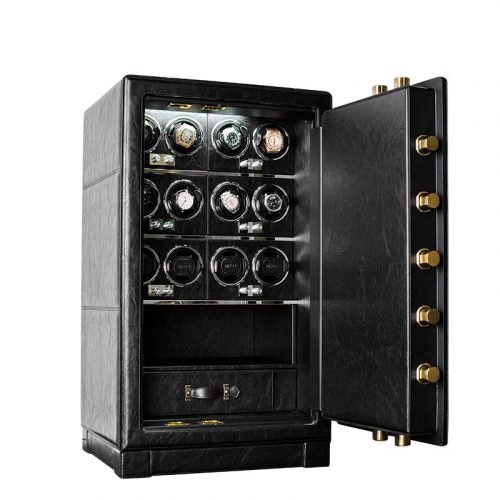 Dual Alarm Watch Winder Safe Box HP12 Series
Price range: $3,409.99 through $3,411.99
Dual Alarm Watch Winder Safe Box HP12 Series
Price range: $3,409.99 through $3,411.99
-
 Intelligent Winder Watch Z8200 Series
Price range: $304.99 through $1,210.99
Intelligent Winder Watch Z8200 Series
Price range: $304.99 through $1,210.99
-
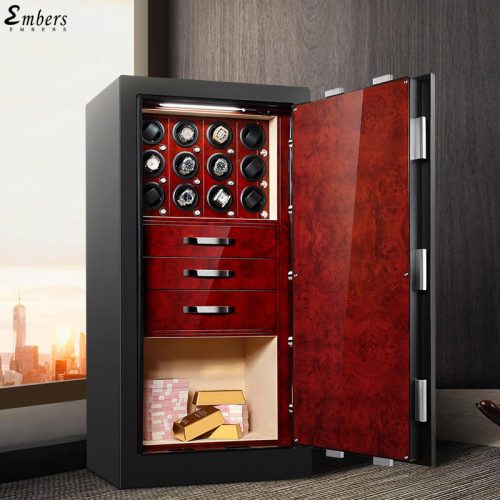 Watch Winder Safe Box B1120 Series
Price range: $6,815.99 through $6,817.99
Watch Winder Safe Box B1120 Series
Price range: $6,815.99 through $6,817.99
