
Bankroll Basics: The Bloodstream of Your Edge
First off, if you think bankroll is optional, you’re playing darts with a blindfold. It’s the lifeblood that fuels every wager you place on the court. The problem? Too many bettors treat it like a casual savings account, tossing a few bucks on a game and hoping the odds will magically bend. Not so. You need a system that survives losing streaks and still lets you capitalize on hot runs.
Set the Unit Size, Then Forget It
Look: the unit is the smallest slice you’ll ever stake, and it dictates every bet from a rookie three-pointer to a seasoned prop. Most pros lock it at 1% of total bankroll. If you have $2,000, your unit is $20. That tiny figure feels insignificant, but it’s a shield against variance. A single 10‑unit loss can’t wipe you out, whereas a 10% swing would cripple a reckless spender.
Why 1%?
Because it balances aggression with safety. At 1% you can survive a 20‑unit losing streak without dropping below half your original stack. If you’re a high‑roller, bump it to 2% for a sharper edge, but never exceed 3% unless you’re a seasoned sharpshooter with a proven edge.
Staking Strategies: Flat vs. Kelly
Flat betting is the default—same unit every game, zero brain‑fart. The Kelly Criterion, on the other hand, scales your stake to the perceived edge. If you calculate a 5% edge on a Lakers‑Celtics spread, Kelly says wager 5% of your bankroll. That’s aggressive, but it pays off when you have a true edge. Most gamblers blend: flat on the long‑shot, Kelly on the high‑value, high‑confidence picks.
Variance Management: The Ups and Downs of a Season
NBA schedules are a rollercoaster—back‑to‑back road trips, rest days, injuries. Your bankroll must absorb those swings. Use a rolling window: look at the last 15 games you’ve bet, calculate ROI, and adjust unit size accordingly. If ROI dips below zero, shrink your unit by half for the next five bets. If it climbs, consider a modest bump. This dynamic approach keeps you from over‑leveraging after a lucky streak.
Record‑Keeping Like a Pro
By the way, every single bet deserves a line in a spreadsheet—date, opponent, line, stake, result, and rationale. Analyze trends monthly. Are you over‑betting on certain teams? Are you consistently losing on underdogs? Spot the patterns, cut the dead weight, and double down on the winners. This discipline separates the hobbyist from the profit‑machine.
Psychology: The Silent Killer
Here is the deal: emotions are the sneakiest leak in any bankroll system. A bad night can lure you into “chasing” losses with oversized units, a classic money‑burn. Stick to your pre‑set unit, breathe, and walk away after a predetermined loss cap—say, 5 units in a session. Reset, recalibrate, and come back with a clear head.
Bankroll Safety Net
And here is why you should never mix personal money with betting cash. Keep a separate account solely for wagers, and never dip below 70% of its balance to stay in the game. If you ever find yourself below that threshold, pause until you rebuild to the baseline. It’s the only way to avoid a catastrophic bankroll bleed.
Automation and Alerts
Leverage technology: set alerts on nbahandicapbetting.com for line movements that match your edge criteria. Auto‑calculate unit sizes in your spreadsheet via a simple script, so you never have to do mental math under pressure. The faster you can place a bet, the less time the market has to adjust against you.
Final Actionable Advice
Start now: open a dedicated betting account, set a $1,000 bankroll, lock in a $10 unit, and record every wager for the next 30 days. Adjust only after you’ve logged at least 20 bets and see a clear ROI trend.
About the author :

Related posts
Popular products
-
 Solid Woid Watch Winder Box S0020 Series
$192.99
Solid Woid Watch Winder Box S0020 Series
$192.99
-
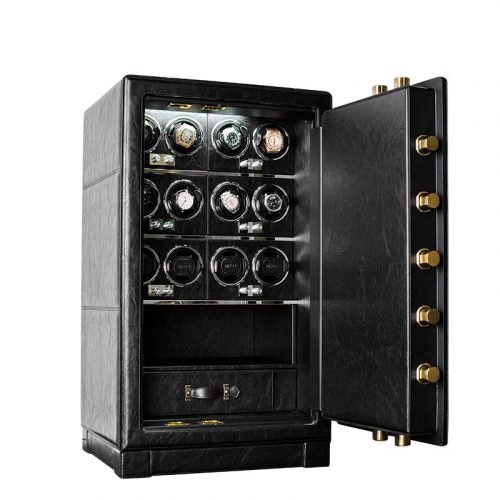 Dual Alarm Watch Winder Safe Box HP12 Series
Price range: $3,409.99 through $3,411.99
Dual Alarm Watch Winder Safe Box HP12 Series
Price range: $3,409.99 through $3,411.99
-
 Intelligent Winder Watch Z8200 Series
Price range: $304.99 through $1,210.99
Intelligent Winder Watch Z8200 Series
Price range: $304.99 through $1,210.99
-
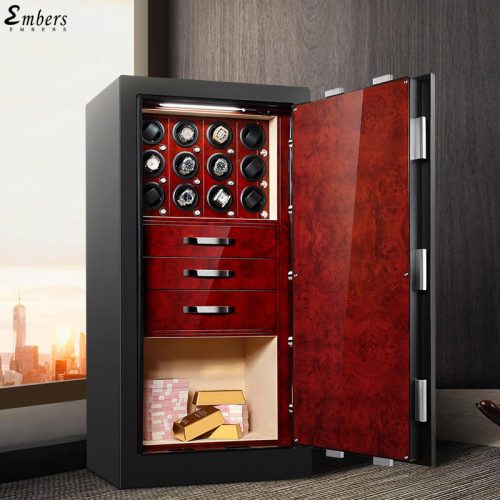 Watch Winder Safe Box B1120 Series
Price range: $6,815.99 through $6,817.99
Watch Winder Safe Box B1120 Series
Price range: $6,815.99 through $6,817.99
